How to Replace Glass in a Window: A Homeowner's Guide
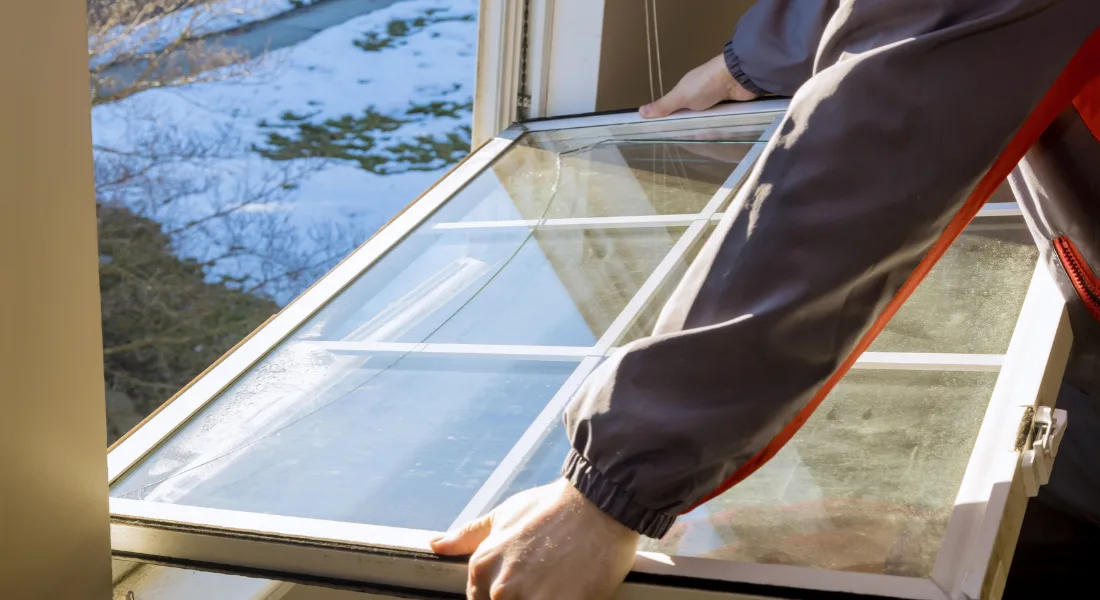
A broken or fogged window does not always mean the entire window has to be replaced. In many cases, a glazier can replace the glass while keeping the existing sash and frame. The right approach depends on the window type, the condition of the frame and hardware, and whether the replacement glass can be matched to the original unit.
Can you replace just the glass in a window?
Often, yes. Glass-only replacement may be possible when the sash and frame are still sound and the problem is limited to a cracked pane, broken glass or a failed insulated glass unit. A complete window replacement may be more appropriate when the frame is rotted, warped, leaking around the opening, difficult to operate or otherwise damaged.
Need Professional Window Glass Replacement? If the sash and frame are still serviceable, Allnite Glass can evaluate whether the glass or insulated glass unit can be replaced without replacing the complete window. Window glass replacement →
First, identify what part of the window has failed
Before choosing a repair, separate a glass problem from a frame, hardware or installation problem.
Cracked or broken glass — The damage is visible in the pane. The replacement approach depends on whether the window uses a single pane, a sealed double-pane unit or safety glass.
Fog or condensation between panes — Moisture inside the sealed space commonly points to a failed insulated glass unit, also called an IGU. Moisture on the room-side or outdoor surface of the glass is different and may relate to indoor humidity, outdoor conditions or the window’s surface temperature.
Drafts or water around the frame — Air or water entering around the sash, frame, trim or wall opening may require weatherstripping, sealant, flashing, frame repair or complete window work rather than glass replacement alone.
A window that will not open, close or lock — The cause may be hardware, balance systems, tracks, sash alignment or frame movement. Replacing the glass will not correct an unrelated operating problem.
Can the glass be replaced without replacing the frame?
Glass-only replacement is more likely to be suitable when the frame and sash are structurally sound, the window operates correctly, and the damage is limited to the glazing. It can preserve the existing appearance and avoid replacing parts that are still serviceable.
A full window may deserve consideration when the frame is rotted or badly warped, the sash no longer operates correctly, water is entering around the opening, several components have failed, or a compatible replacement glass unit cannot be confirmed.
Do not use the age of the window by itself as the deciding factor. An older window with a sound frame may still be repairable, while a newer window with significant frame or installation damage may require broader work.
For a closer look at the decision criteria and cost tradeoffs, read our comparison of full window replacement versus glass replacement. If you are wondering whether window glass has an expiration date, condition rather than age is what drives the answer.
The replacement process depends on the glass type
Windows that look similar can use very different glazing systems. The glass type must be identified before measurements, ordering or removal begins.
Single-pane window glass
A single-pane window has one sheet of glass held in a sash or frame. Depending on the construction, the pane may be retained with glazing compound, stops, clips, gaskets or another system. A glazier measures the opening, confirms the required thickness and glass type, removes the damaged pane, prepares the glazing pocket and installs the replacement using the correct retention and sealing method.
Double-pane or insulated glass units
A double-pane window normally contains a factory-sealed IGU made from two panes separated by a spacer. The space may include air or gas, and the glass may have a low-emissivity coating. When the unit is broken or its seal fails, the sealed IGU is generally replaced as one component. The existing sash or frame may remain if it is suitable for reuse.
If the window shows a fogged or failed double-pane unit, the sealed unit itself is what needs attention rather than the surrounding window.
Tempered and other safety glazing
Some locations require safety glazing, and the existing pane may already be tempered or laminated. Tempered glass has to be made to its final dimensions before tempering; it cannot be cut, drilled or reshaped afterward. The replacement must be reviewed for the correct type, thickness and application rather than substituted with ordinary annealed glass.
Low-E, tinted, patterned or specialty glass
Coatings, tint, texture, grids and other features can affect the appearance and performance of a replacement. An exact visual match is not always possible, especially in older products, so the available options should be confirmed before the replacement is ordered.
What replacing window glass usually involves
The exact method varies by window system, but a professional glass-only replacement usually follows these stages:
- Make the area safe. Keep people and pets away from loose glass. A damaged opening may need temporary protection until the correct replacement is available.
- Identify the window and glazing. The glazier determines whether the unit is single-pane, insulated, tempered, coated or otherwise specialized.
- Inspect the sash and frame. Glass-only replacement is not the right answer when the surrounding components are too damaged to support new glazing.
- Measure the glazing opening. Replacement dimensions, thickness, coatings, spacer details and safety requirements must be confirmed before fabrication or ordering.
- Remove the damaged glazing. The method depends on the stops, gaskets, glazing compound or retaining system used by the window.
- Prepare the opening. Old sealant, loose compound and debris are removed as appropriate, and the glazing pocket is checked before the new pane or IGU is installed.
- Install and secure the replacement. The glass is bedded, retained and sealed using materials suited to the window system.
- Check operation and finish. The sash, locks and surrounding area are checked, and broken glass and installation debris are removed.
A safety note before you start. Broken glass can cause serious cuts, and an incorrect replacement can create safety and performance problems. For homes built before 1978, disturbing painted window components may also require lead-safe work practices.
What homeowners can do before requesting a quote
You can speed up the initial review by gathering a few details without removing the glass:
- Photograph the entire window from inside and outside.
- Take close-up photos of the damage, spacer, corner markings, grids and any etched safety label.
- Note whether the moisture is between the panes or only on a surface.
- Check whether the sash opens, closes and locks.
- Record the approximate visible glass width and height, but do not rely on homeowner measurements as final fabrication dimensions.
- Share the property location and whether the sash or removable unit can be brought to the Clarksville shop.
Common window problems and the likely next step
| Observed problem | Likely next step | Important qualification |
|---|---|---|
| Cracked single pane | Evaluate glass-only replacement | Confirm thickness, retention system and safety-glass requirements |
| Broken or fogged IGU | Evaluate sealed IGU replacement | Frame and sash must still be suitable |
| Condensation on a room-side surface | Check humidity, temperature and airflow | Surface condensation is not the same as moisture between panes |
| Draft at sash or trim | Inspect weatherstripping, seals and frame/opening | New glass alone may not correct it |
| Window will not open or lock | Inspect hardware, balance, tracks and alignment | Glass replacement may be unrelated |
| Rotted or badly warped frame | Evaluate frame repair or full window replacement | Scope depends on the surrounding construction |
| Damaged painted window in a pre-1978 home | Use lead-safe planning and qualified help | Disturbing old paint can create hazardous dust |
DIY repair versus professional glass replacement
Simple maintenance such as cleaning tracks, replacing some removable weatherstripping or applying temporary protection may be manageable for some homeowners. Removing broken glass, identifying safety glazing, matching coated glass, measuring an IGU and installing a sealed replacement are different tasks.
Professional help is especially appropriate when the pane is large, elevated, difficult to access, part of a door or hazardous location, tempered or laminated, inside a sealed IGU, or surrounded by deteriorated painted components.
Taping over a crack is not a permanent repair. Temporary stabilization should only reduce immediate exposure until the opening can be evaluated.
What affects the cost and timing?
The price and schedule cannot be determined from the crack alone. They depend on the dimensions, thickness, single-pane or insulated construction, safety-glass requirements, coatings, tint or pattern, accessibility, frame condition, removal method and whether the glass is fabricated, ordered or installed on site.
If you are budgeting for a project in this area, review the window repair cost factors in Clarksville before requesting a quote.
Residential window-glass help from Allnite Glass
Allnite Glass evaluates residential window glass from its Clarksville shop and for approved on-site projects. The team can review cracked panes, failed insulated glass units and other glass-related window problems, then confirm whether the existing sash or frame appears suitable for glass-only replacement.
Service details are on our pages for residential window glass repair and double-pane or IGU replacement.
To request a review, share photos, the project location, the type of damage and whether the window or sash can be brought to the shop. Project scope, service availability and timing are confirmed after review.
Sources reviewed
- U.S. Department of Energy: Window Types and Technologies
- U.S. Department of Energy: Wood Window Repair and Replacement Measure Guideline
- U.S. Consumer Product Safety Commission: Architectural Safety Glazing Guidance
- U.S. EPA: Lead Renovation, Repair and Painting Program

A family-owned glass company based in Clarksville, Tennessee, sharing practical guidance on residential and commercial glass projects.
Frequently Asked Questions
Often, yes. If the sash and frame are still sound and the problem is limited to the glazing, a single pane or sealed insulated glass unit may be replaceable without changing the entire window. The existing window must be inspected before that scope is confirmed.
A double-pane window normally uses a factory-sealed insulated glass unit. When one pane breaks or the seal fails, the sealed unit is generally replaced as one component rather than replacing one pane independently in the field.
Fog or condensation inside the space between panes commonly indicates that the insulated glass unit's edge seal has failed. Moisture on the room-side or outdoor surface of the glass can have other causes and should be evaluated separately.
No. Tempered glass must be fabricated to its final dimensions before tempering. It cannot be cut, drilled or reshaped afterward without breaking, so accurate measurements and the correct safety-glass specification are important.
A complete window may be more appropriate when the frame or sash is rotted, badly warped, leaking around the opening, difficult to operate or damaged beyond supporting a reliable glass replacement. The best option depends on the condition of the complete assembly.
Some basic maintenance and temporary protection may be manageable for experienced homeowners, but removing broken glass, identifying safety glazing, measuring sealed units and installing replacement glass can create injury and performance risks. Large, elevated, tempered, laminated or insulated units should be reviewed by a qualified professional.
Send photos of the full window and the damage, note whether moisture is between the panes, share the project location and explain whether the sash or window can be brought to the Clarksville shop. Final measurements are confirmed before fabrication or ordering.
Timing depends on the glass type, dimensions, coatings, safety requirements, frame condition and whether the replacement is fabricated, ordered or installed on site. Allnite Glass confirms availability and scheduling after reviewing the project.
Need Help Identifying the Right Window Repair?
Send Allnite Glass photos of the window, the damage and the property location. The team will review the information and confirm the appropriate next step.
Monday – Friday: 7:00 AM – 5:00 PM · Saturday – Sunday: Closed