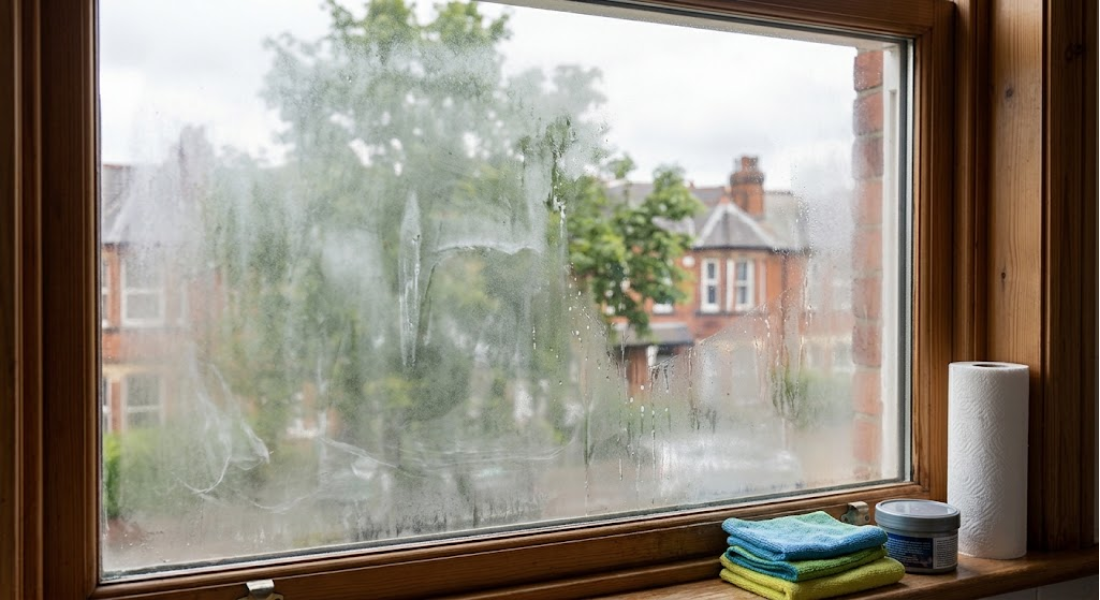
How Do I Get Rid of Cloudiness On My Windows?
Cloudy glass windows can make an otherwise clean home look dull, foggy, or neglected. The good news is that many cases of cloudy glass can be improved with the right cleaning approach—but not every type of cloudiness comes from dirt on the surface.
This guide explains what causes cloudy glass windows, how to identify the problem, which cleaning methods are worth trying, and when cleaning is unlikely to work. By the end, you’ll know how to clean cloudy glass windows effectively and when it may be time to repair or replace part of the window.
Why Do Glass Windows Become Cloudy?
Cloudiness can develop for several reasons, and identifying the cause is the first step toward choosing the right solution. On the outside or inside of a pane, the problem may simply be accumulated dust, grease, grime, or water spots. In other situations, a thin film can build up over time and make the glass appear dull.
Mineral deposits are another common cause. Water containing dissolved minerals can leave marks behind after it evaporates, especially around areas exposed to rain or frequent washing. Hard water can gradually create stubborn deposits that ordinary glass cleaner does not remove.
However, not all cloudy glass is caused by something sitting on the glass surface. If moisture or fog appears inside an insulated unit, the issue may involve condensation or deteriorating seals. That distinction matters because surface cleaning and window repair are completely different solutions.
What Is Causing Cloudiness on Your Window Glass?
Before you start cleaning, inspect where the cloudiness actually appears. Run your finger over the accessible surface and look at the glass from different angles. If the marks change or disappear when the surface is wiped, the problem is probably external contamination.
If the window remains foggy even after the accessible surfaces have been thoroughly cleaned, look more closely at the construction. A double-pane window has two layers of glass separated by an insulating space. If moisture gets into that space, the cloudiness is not something you can simply wipe away.
A failed seal can allow moisture into the space between two panes. In that case, the appearance may resemble permanent fog. If you can see moisture between the glass, cleaning the outside will not solve the underlying problem.
How Can You Clean Cloudy Glass Windows Effectively?
For ordinary surface cloudiness, start with a gentle approach. Remove loose dust first, then use a cleaning solution appropriate for glass. Spray the cloudy glass rather than soaking surrounding frames, and wipe it with a microfiber cloth.
A simple mixture of white vinegar and water can help with certain mineral and water-related marks. After applying it, let it work briefly before gently wiping the surface. Avoid aggressive scrubbing immediately, because some deposits can scratch glass if abrasive particles are dragged across it.
Once the surface has been cleaned, rinse the glass thoroughly with clean water if your chosen method requires rinsing. Finish with a dry microfiber cloth to reduce streaks. The goal is to remove the residue rather than simply move it around.
Which Cleaning Methods Help Remove Cloudiness?
Different types of residue respond to different cleaning methods. For ordinary dust and fingerprints, a standard glass cleaner may be sufficient. For mineral deposits, a mild acidic solution can be more useful than a conventional cleaning agent.
For more stubborn residue, you may see recommendations involving baking soda and water. If you use this approach, be cautious: abrasive materials can potentially damage certain finishes or coatings. A gentle cloth or sponge is generally preferable to a rough scrub pad.
If the residue is concentrated around the edges, clean the entire window rather than treating only the obvious marks. This helps prevent a clean patch surrounded by haze and makes it easier to see whether your cleaning method actually worked.
Can You Clean Cloudy Glass Without Damaging the Glass?
Yes, but gentleness matters. Glass is durable, yet its surface can still be scratched by inappropriate tools or particles. Avoid using metal blades, harsh abrasive pads, or excessive force unless you know the surface is suitable for that treatment.
When you scrub the glass, use controlled pressure and a suitable cloth. A microfiber cloth is particularly useful because it can lift residue while reducing the chance of leaving lint behind. If you are dealing with delicate coatings, test your cleaning approach in an inconspicuous area first.
The right cleaning method should remove grime without leaving scratches or damaging the glass. If the marks do not respond after reasonable cleaning attempts, continuing to scrub harder is unlikely to be the answer.
Why Are Some Windows Still Foggy After Cleaning?
If a window remains foggy after you clean the glass thoroughly, the problem may be inside the window rather than on its surface. This is especially common with double-glazed windows and other insulated designs.
A double paned glass unit relies on a sealed space between the two panes. When the seal deteriorates, humid air can enter that space. As temperatures change, condensation can form inside it, creating persistent fog or haze.
This is different from ordinary surface dirt. You can clean the glass on both accessible sides and still see cloudiness because the moisture is trapped within the assembly. In this situation, repeated glass cleaning will not restore the original appearance.
What Should You Do About Cloudiness Between the Panes?
Cloudiness between the panes usually indicates an issue with the sealed insulating unit. Rather than focusing on surface cleaning, inspect the window seals and determine whether the insulated glass unit can be repaired or replaced.
Some windows allow the insulated glass unit to be replaced without replacing the frame. If the frame remains in good condition, replacing the glass may therefore be a more practical solution than replacing the entire window assembly.
For severe or persistent problems, professional cleaning or a window specialist can help determine whether the unit has failed. If the window has a failed window seal, the long-term solution may involve replacing the insulated glass unit rather than attempting another household cleaning treatment.
How Do You Clean Cloudy Glass Windows Effectively for Stubborn Mineral Deposits?
When mineral deposits are responsible for cloudiness, patience is usually more useful than force. Start by removing loose dirt and then apply an appropriate solution designed to loosen mineral residue.
White vinegar can help with some deposits because its acidity can break down mineral buildup. Apply the solution carefully, allow it a short amount of contact time, and then wipe the surface clean. Always follow with clean water when appropriate.
For particularly stubborn buildup, you may need to repeat the process rather than aggressively scrub a single time. If the deposits have chemically etched the glass over a long period, however, ordinary cleaning may not completely remove the appearance. At that point, polishing or professional treatment may be necessary.
How Can You Preventing Cloudy Windows in the Future?
Preventing cloudy windows starts with regular cleaning and maintenance. Removing water spots and accumulated grime before they become heavily established makes routine cleaning easier.
Pay attention to condensation as well. Persistent indoor moisture can contribute to problems around windows, particularly when ventilation is poor. Keeping indoor humidity under control and addressing sources of excess moisture can help keep windows clear.
Inspect the seals and frames periodically, especially on older double-pane windows. Early signs of deterioration can help you identify a potential problem before the window develops extensive cloudiness between the glass layers.
When Should You Replace the Glass or the Entire Window?
Not every cloudy window needs replacement. If the problem is simply dirt, mineral deposits, or surface residue, cleaning should be your first option. If the glass itself has been damaged or the insulating unit has failed, however, repair or replacement may make more sense.
For an insulated glass unit, replacing the glass can sometimes solve the problem while allowing the existing frame to remain. This can be considerably different from replacing the entire window, particularly when the surrounding frame is still structurally sound.
You may need new windows when there are multiple problems, such as damaged frames, serious drafts, deteriorated components, or widespread failure across many units. Before replacing the entire window, ask whether replacing the glass unit alone is possible.
What Is the Best Routine for Keeping Windows Clear?
A practical routine does not need to be complicated. Dust the surface regularly, clean the glass when visible marks accumulate, and dry it properly after washing. For larger windows, work in manageable sections so your cleaning solution does not dry before you can wipe it away.
When you clean windows at least twice during particularly dusty or rainy periods, you can prevent grime from becoming deeply established. Use clean water and a dry microfiber cloth for the final pass, and avoid cleaning extremely hot glass when possible because rapid drying can create streaks.
If your windows look consistently dull despite routine cleaning, investigate rather than simply cleaning more often. The cause could be mineral buildup, surface damage, condensation, or a deteriorating seal. Understanding the source will save you time and prevent unnecessary effort.
Is Your Window Foggy, Damaged, or Hard to See Through?
If cleaning doesn’t clear up your window, the problem may be inside the glass. Failed seals, moisture between double panes, cracked glass, and other damage can affect both the appearance and performance of your windows. Allnite Glass provides residential window repair in Clarksville, TN, helping homeowners address damaged or failed glass without necessarily replacing the entire window. If your windows are cloudy, cracked, or showing signs of damage, learn more about our residential window repair services and find out what options may be available for your home.
Final Takeaways: How to Clean Cloudy Glass Windows
- Identify the cause first. Surface dirt, mineral deposits, and moisture trapped inside a sealed unit require different solutions.
- Start gently. Use an appropriate cleaning solution, a soft cloth or sponge, and controlled pressure.
- Use white vinegar carefully for suitable mineral and water-related deposits.
- Avoid aggressive abrasives. Scrubbing too hard can damage the glass or its coatings.
- Persistent fog between two panes is different from surface dirt. It may indicate a failed seal.
- Do not assume you need to replace the entire window. In some cases, you can replace the insulated glass unit instead.
- Regular cleaning and maintenance help prevent buildup and make future glass cleaning easier.
- If cloudiness persists after thorough cleaning, investigate the window itself rather than repeatedly scrubbing the same surface.
- The goal is clear glass, not simply more cleaning. Knowing what is causing cloudiness is the key to choosing the right solution.

Expert glaziers sharing glass tips and industry insights.
Ready to Discuss Your Glass Project?
Tell Allnite Glass what you need, where the project is located, and whether the glass can be brought to the Clarksville shop. The team will confirm scope, availability and next steps.
Monday – Friday: 7:00 AM – 5:00 PM · Saturday – Sunday: Closed