How to Maintain Wood Windows: A Practical Care Guide
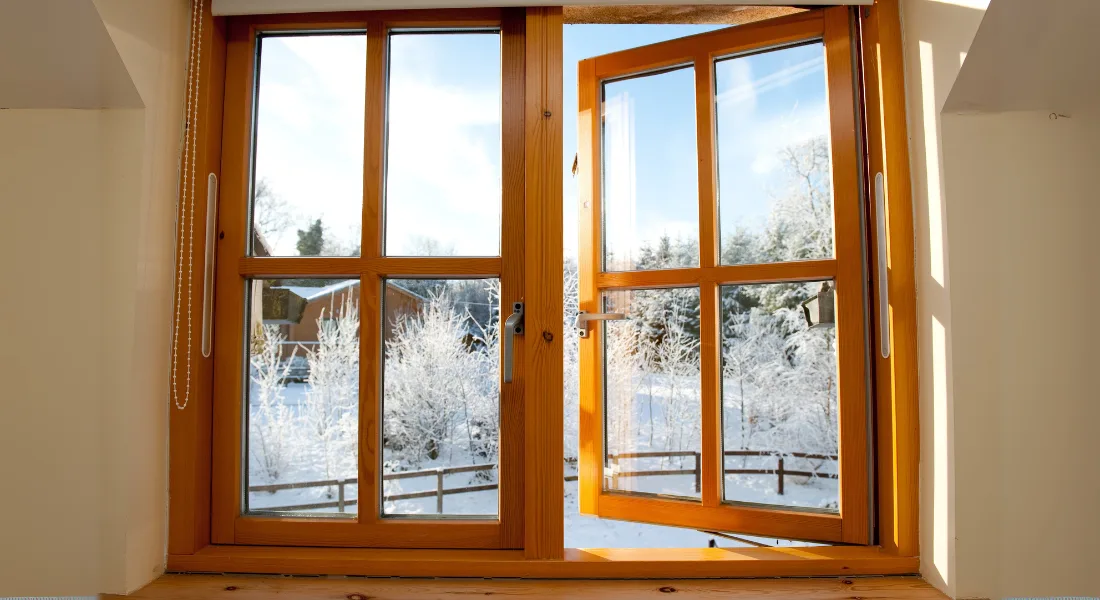
Wood windows require regular inspection because moisture, failed paint, deteriorated glazing compound and damaged seals can affect both the frame and the glass. Homeowners should keep the surfaces clean, watch for peeling finishes or loose glazing, and address broken or fogged glass promptly.
Some maintenance can be handled carefully by the homeowner, while damaged glass, failed insulated units and deteriorated historic windows should be professionally evaluated.
How Often Should Wood Windows Be Inspected?
Wood windows should be looked over periodically through the year and again after severe weather — wind-driven rain, hail, a heavy snow load or a hard freeze can all reveal problems that were not visible the week before. How often is often enough depends on the window: a south- or west-facing sash that takes direct sun and rain will show wear sooner than one under a deep porch.
Work through this list on each window:
- Peeling or cracked exterior finish
- Soft, discolored or deteriorated wood
- Gaps around the sash
- Loose or deteriorated glazing compound
- Cracked glass
- Condensation between panes
- Hardware that no longer operates correctly
- Water collecting near the sill
There is no universal repainting or replacement schedule that applies to every wood window. Product design, exposure and the manufacturer’s own instructions vary, so follow the guidance that came with the window where it exists.
How to Clean Wood Window Frames and Glass
Cleaning is the part of wood window maintenance most homeowners can handle themselves, provided the method suits the finish.
- Use soft, non-abrasive cloths
- Keep moisture on finished wood limited — wipe, do not soak
- Use a cleaner approved by the window manufacturer
- Dry the frame and the sill after cleaning
- Avoid abrasive pads and harsh chemicals
What is appropriate varies by surface. Painted wood, stained wood, unfinished wood and aluminum-clad wood do not all tolerate the same products, and coated or Low-E glass can be damaged by cleaners and pads that would be harmless on plain annealed glass. There is no single homemade cleaning solution that is safe on every one of those surfaces, which is why the manufacturer’s instructions matter more than a general rule.
Signs the Finish or Wood Frame Needs Attention
Not every mark on a wood window means the same thing. It helps to separate what is cosmetic from what is structural:
- Cosmetic finish wear — dulling, light chalking or fading of the paint or stain
- Peeling paint — the finish is no longer bonded and the wood beneath is losing its protection
- Open joints — separations at the corners of the sash where water can enter
- Soft or deteriorated wood — wood that gives under thumb pressure or crumbles at an edge
- Water staining — a record of where moisture has been sitting, often at the sill or the bottom rail
- Structural sash deterioration — the sash no longer holds its shape, square or the glass securely
Allnite Glass evaluates and repairs glass-related problems. Wood rot, sash rebuilding, painting and structural carpentry may require a qualified carpenter, painter or historic-window specialist. Where the glass and the woodwork are both involved, it is common for two trades to be needed.
How to Recognize Failed Glazing Around the Glass
In many traditional wood windows, glazing compound is what helps secure and seal the glass in the sash. When it deteriorates, the pane loses both its bedding and its weather seal.
Warning signs include:
- Cracks in the compound, or sections missing entirely
- Loose panes
- Visible gaps between the glass and the sash
- Water entering around the glass edge
- Glass that rattles when the window is operated
Removing old compound is not a straightforward DIY job. Heat-gun removal in particular can crack the glass, create a burn or fire hazard, and disturb old painted surfaces that may contain lead. If the glazing on a window has substantially failed, have the window evaluated rather than starting removal yourself. Where a pane has to come out and go back in, our residential window repair service covers the glass side of that work.
What Does Condensation Between the Panes Mean?
Condensation is one of the most misread signs on a window, so it is worth separating the two cases.
Moisture on the interior surface of the glass does not automatically mean a seal has failed. Surface condensation is often about indoor humidity, ventilation and the temperature difference across the glass, and it can usually be wiped away.
Moisture trapped between the panes is different. It sits inside the sealed assembly where no cloth can reach it, and it can indicate that the insulated glass unit has failed. In many cases a failed insulated glass unit may be replaced without replacing the complete wood window — but the sash and frame still have to be evaluated for suitability first, since the existing opening has to be able to hold and seal a new unit. That evaluation is the starting point for any double-pane window glass repair.
Wood Window Warning Signs
Use this as a diagnostic reference rather than a definitive diagnosis. Several of these signs share causes, and more than one can be present on the same window.
| What you see | What it may indicate | Suggested next step |
|---|---|---|
| Peeling or cracked exterior finish | The finish is no longer protecting the wood beneath | Have the finish and the wood assessed; a painter or carpenter may be needed |
| Soft, discolored or crumbling wood | Moisture has been reaching the wood over time | Evaluation by a carpenter or historic-window specialist |
| Cracked or missing glazing compound | The glass may no longer be sealed or fully secured in the sash | Professional evaluation before any compound is removed |
| Pane feels loose or rattles | Glazing, glazing points or the sash may have failed | Do not operate the window until it is evaluated |
| Cracked or chipped glass | The pane is compromised and can fail further | Professional glass evaluation and replacement |
| Fog or moisture between two panes | The insulated glass unit seal may have failed | Have the unit and the sash evaluated for glass replacement |
| Water collecting near the sill | Drainage, glazing or the finish may be allowing water in | Identify the entry point before repairing the surface |
| Gaps around the sash | Weatherstripping, hardware or sash fit may have changed | Assess the sash and hardware; may involve more than the glass |
| Hardware that no longer operates | Wear, paint buildup or sash movement | Hardware or sash evaluation |
When Does the Glass Need Professional Evaluation?
Some situations are worth handing to a glass professional rather than working through yourself:
- The glass is cracked, chipped or loose
- A pane is difficult to secure safely
- Moisture or fogging is trapped between the panes
- Glazing compound has substantially failed
- The window contains unusual or custom-sized glass
- The sash or surrounding wood is deteriorated
- The home may contain older painted surfaces
Do not attempt to remove cracked glass yourself. A pane that is already broken can fail further while it is being handled, and older wood sashes often hold glass in ways that are not obvious until the compound is disturbed. Where a replacement pane has to match an unusual opening, custom-cut glass is measured and cut to the specific sash rather than pulled from stock sizes.
Maintaining Historic Wood Windows Safely
Older wood windows may contain lead-based paint. Sanding, scraping, cutting or removing windows can create hazardous dust. Before disturbing painted surfaces in a pre-1978 property, homeowners should review current EPA lead-safety guidance and consider hiring a lead-safe certified professional.
The EPA states that sanding, cutting and window replacement in pre-1978 homes can create hazardous lead dust — which is why its Renovation, Repair and Painting rules apply to this kind of work at all. For historic windows specifically, the National Park Service publishes guidance on evaluating a wooden window’s condition and deciding what can be repaired rather than replaced.
Wood Window Glass Services in Clarksville
Allnite Glass can evaluate the glass portion of a wood-window problem, including broken panes, custom-cut replacement glass and failed insulated glass units. Whether the existing sash can be retained depends on its condition, dimensions and the type of glass required. Contact the team with photos and project details to discuss the appropriate next step.
Allnite Glass does not perform complete wood-frame restoration, sash rebuilding, lead-paint remediation, painting and refinishing, or structural carpentry. Where a window needs that work alongside new glass, the woodwork is handled by another trade.
Sources reviewed
- U.S. Environmental Protection Agency — Lead Renovation, Repair and Painting Program
- U.S. Environmental Protection Agency — Lead Renovation, Repair and Painting Program Rules
- National Park Service — Preservation Brief 9: The Repair of Historic Wooden Windows
- Marvin — Window and Door Care and Maintenance (example of manufacturer-specific care instructions)

The Allnite Glass Team shares practical guidance based on the company's experience with residential window glass, insulated glass units, custom-cut glass and glazing work. Allnite Glass has served Clarksville and nearby communities since 1949.
Frequently Asked Questions
Inspect wood windows periodically through the year and again after severe weather such as wind-driven rain, hail or a hard freeze. There is no single universal interval that fits every window, because exposure, finish type and manufacturer instructions all differ. Windows on weather-facing elevations generally need more frequent attention than sheltered ones.
Look for cracked or missing sections of compound around the edge of the glass, visible gaps between the glass and the sash, panes that feel loose or rattle in the opening, and water entering around the glass edge. Any of these suggest the glazing is no longer sealing the pane and the window should be evaluated.
Often, yes. Moisture trapped between the panes can indicate that the insulated glass unit has failed, and a failed unit may sometimes be replaced without replacing the complete wood window. Whether that is possible depends on the condition and dimensions of the sash, so the sash and frame have to be evaluated first.
No. Allnite Glass evaluates and works on the glass portion of a wood-window problem. Wood rot, sash rebuilding, painting and structural carpentry may require a qualified carpenter, painter or historic-window specialist.
Not without checking first. Older wood windows may contain lead-based paint, and sanding, scraping, cutting or removing them can create hazardous dust. In a home built before 1978, review current EPA lead-safety guidance and consider hiring a lead-safe certified professional before disturbing any painted surface.
Questions About the Glass in Your Wood Windows?
Send Allnite Glass photos of the window, approximate measurements and a description of the problem. The team can review the glass-related scope and explain the appropriate next step.
Monday – Friday: 7:00 AM – 5:00 PM · Saturday – Sunday: Closed