How To Remove a Commercial Glass Window
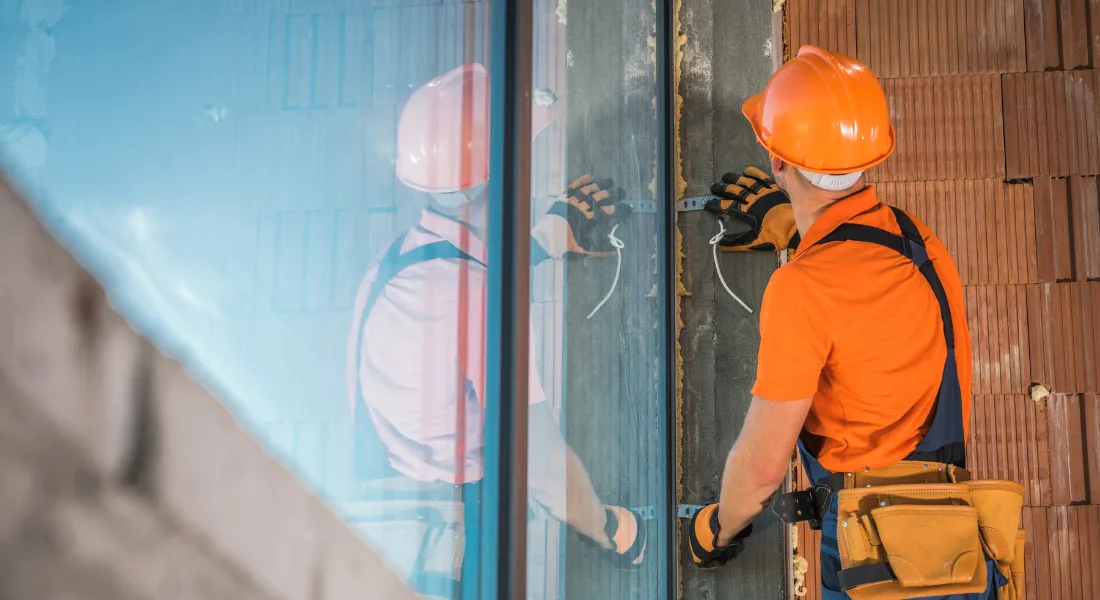
Commercial glass removal depends on the frame, glazing system, glass type and panel size. Aluminum storefronts may use removable stops and gaskets, while other systems use wet glazing or structural sealant. Because commercial panels can be large, heavy, cracked, heat-treated or installed above occupied areas, removal is generally work for a trained commercial glazier rather than a routine DIY project.
In general, professionals identify the framing system, secure the work area, release the system-specific stops, gaskets or sealants, and lift the panel using equipment rated for its dimensions and weight. The exact procedure must follow the framing and glass manufacturer’s requirements. This overview explains how a glazier approaches the work when they need to remove glass from a commercial aluminum window frame — it is not a procedure for an untrained reader to carry out.
Identify the Commercial Glazing System
The removal method depends entirely on what is actually holding the glass in the opening. Before anything is touched, the installer establishes whether the opening contains:
- A mechanically glazed aluminum storefront
- A fixed window
- An operable commercial window or sash
- An insulating glass unit
- Tempered or laminated safety glazing
- Structural-sealant glazing
- Curtain-wall components
Frame systems differ by manufacturer and product series, and the visible trim alone may not reveal how the glass is retained. Two openings that look identical from the sidewalk can use entirely different retaining components. Older single-pane commercial glazing is not automatically simpler to remove either — the frame may be corroded, the glass may be annealed and unpredictable, and the original glazing materials may have hardened over decades.
Confirm the Glass Type and Condition
Before releasing anything, the installer should identify:
- Whether the glass is annealed, tempered or laminated
- Whether it is a sealed insulating glass unit
- Whether the panel is cracked or unstable
- Whether safety-glazing requirements apply to the location
- Whether the existing panel is intended for disposal or possible reuse
Tempered and laminated glass should not be described as safer to remove. Their breakage behavior differs from annealed glass, but all commercial glazing can create serious handling hazards.
Secure the Work Area
Before the glass moves, professional crews restrict access on both sides of the opening, protect occupants, merchandise and nearby surfaces, evaluate the panel’s dimensions and weight, select appropriate lifting and access equipment, and plan how the opening will be secured after the panel is out. That last point matters more than it sounds — an unsecured storefront opening is a security and weather exposure the business has to live with until the replacement arrives.
Workers face eye, face and cut hazards throughout this work, and the applicable OSHA eye and face protection requirements apply on the job site. This article is a process overview, not a complete workplace-safety program.
Release the Glass According to the Framing System
Mechanically glazed storefront systems may use stops, pressure plates, gaskets or other retaining components. Wet-glazed and structural-sealant systems require different procedures. Components should be released in the sequence specified for the identified framing system while the panel remains properly supported.
There is no universal sequence here. Generic advice such as “start at a corner,” “pry the stops off” or “push the glass outward” can be exactly wrong for a particular system, and following it can crack the panel, distort the frame or drop the glass. Manufacturer detail manuals for the specific storefront or curtain-wall series are the correct reference.
Remove and Secure the Panel
Professional crews select handling equipment based on the panel’s dimensions, weight, condition, glass construction, installation height and any access limitations. A fixed number of workers or suction cups cannot be prescribed in advance — required equipment and crew size vary by project, and a panel that two people can manage at grade may need mechanical lifting equipment one story up.
Removed panels are transported and stored in purpose-built racks or transport frames. A panel left leaning loose against a wall is a hazard to everyone on the site.
Removing or Replacing a Commercial Insulating Glass Unit
A commercial insulating glass unit consists of two or more panes assembled with spacers and a sealed edge system. The seal between the panes is created during fabrication and is different from the perimeter glazing materials that secure the unit within the frame. Those two things are frequently confused, and the distinction determines whether a unit can be reused at all.
Before replacement, the opening, glass dimensions, thickness, coatings, spacer configuration and required safety treatment must be identified. The replacement unit should be manufactured to the correct specifications and installed according to the framing-system and glass-fabricator requirements. Matching only the dimensions and thickness may not reproduce the required coatings, safety treatment, thermal performance or edge construction.
A unit with a damaged edge seal, cracked pane or moisture between the panes should not be treated as reusable simply because it can be removed intact.
When Commercial Glass Removal Requires a Professional
Professional assessment is especially important when:
- The panel is cracked or unstable
- The glass type is unknown
- The opening contains tempered or laminated glass
- The panel is large or heavy
- The work is above ground level
- The opening is part of a storefront, entrance or curtain wall
- Structural silicone or concealed retention is present
- The work affects an occupied business or public walkway
- The replacement must meet safety-glazing or other code requirements
Architectural safety-glazing requirements under 16 CFR Part 1201 apply to specified products and locations, so the replacement specification — not just the removal — needs to be confirmed before glass is ordered.
If the glass is cracked, oversized, or part of a storefront system, it is safer to arrange commercial glass repair in Clarksville. For storefront systems and larger projects, commercial glass and glazing services cover the specification and installation side as well as the removal.
Need Commercial Glass Removed or Replaced?
Allnite Glass works with businesses and contractors on commercial glass repair, replacement and glazing projects in Clarksville and surrounding service areas. Call (931) 645-2464 or contact the team with the property location, approximate opening size and photos of the existing glass and frame.

Commercial glass and glazing information from the Allnite Glass team.
Ready to Discuss Your Glass Project?
Tell Allnite Glass what you need, where the project is located, and whether the glass can be brought to the Clarksville shop. The team will confirm scope, availability and next steps.
Monday – Friday: 7:00 AM – 5:00 PM · Saturday – Sunday: Closed