How to Remove Hard Water Stains from Glass Shower Doors and Surfaces
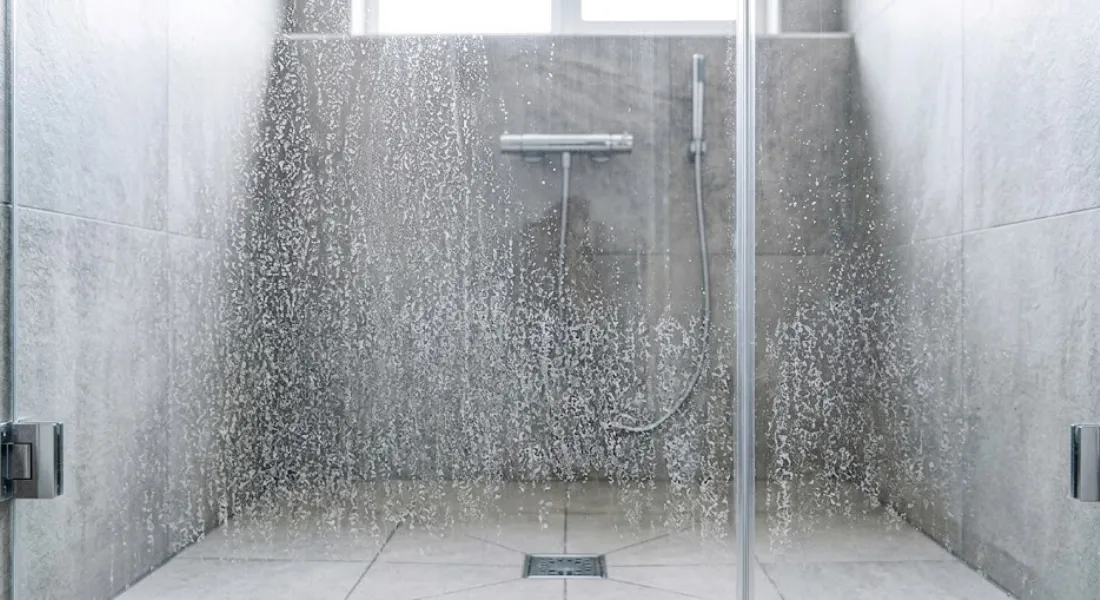
Hard water stains are one of the most stubborn and frustrating cleaning problems in any home. Those cloudy, chalky deposits that build up on glass shower doors, faucets, glassware, and tiles aren’t just unsightly — they can etch into surfaces permanently if left untreated. The good news is that removing them doesn’t require expensive products or professional help. This guide covers the most effective ways to clean and remove hard water stains using both DIY methods and commercial cleaners, so you can restore your glass and fixtures to their original clarity.
Why Hard Water Stains Form in the First Place
Hard water stains develop wherever water is allowed to evaporate on a surface without being wiped away. When water comes into contact with glass, tile, or stainless steel and then dries, it leaves behind the mineral content dissolved within it — primarily calcium and magnesium. These minerals don’t evaporate with the water, so they accumulate on the surface over time, forming the white, chalky deposits that are so difficult to shift with ordinary cleaning products.
The higher the mineral content in your water, the faster and more severely these deposits build up. In areas with particularly hard water supplies, you may notice water spots appearing within days of cleaning, and hard water buildup can become visible on shower glass and glass doors within just a couple of weeks. Understanding the source of the problem — mineral deposit accumulation rather than dirt — explains why standard household cleaners often fail to remove hard water stains effectively. You need something acidic to dissolve mineral deposits, not just something that cuts through grease or lifts surface grime.
Vinegar: The Most Effective Natural Cleaner for Hard Water Stains
White vinegar is the go-to solution for hard water stains on glass and most other household surfaces, and for good reason. Vinegar is mildly acidic, which makes it highly effective at breaking down the mineral buildup left by hard water without scratching or damaging the underlying surface. It’s also inexpensive, widely available, and safe to use on glass, tile, stainless steel, and most hardware — making it the first choice for any DIY approach to this problem.
The simplest method is to mix equal parts vinegar and water in a spray bottle, spray the stained surface generously, and let it sit for at least five to ten minutes before wiping. For lighter stains, this vinegar and water solution is often all you need. Wipe the surface with a soft cloth or sponge, then rinse thoroughly with clean water and dry with a clean cloth to prevent new water spots from forming immediately. For harder deposits, undiluted vinegar applied directly and left to soak for fifteen to thirty minutes will penetrate deeper and dissolve mineral deposits more effectively.
For glass shower doors with significant buildup, soaking paper towels in vinegar and pressing them flat against the glass works particularly well — the paper towels absorb against the surface and keep the vinegar in continuous contact with the stain rather than letting it run down and pool at the bottom. Leave them in place for twenty to thirty minutes, then scrub gently with a non-abrasive sponge and rinse. Repeat the process for stubborn hard water stains that don’t lift in a single treatment.
Baking Soda Paste for Tougher Stains
When vinegar alone isn’t enough to tackle tougher stains, combining it with baking soda creates a powerful cleaning paste that handles more severe mineral buildup. Baking soda is a mild abrasive that helps scrub away deposits without scratching glass or stainless steel surfaces, while the reaction between baking soda and vinegar helps lift and dissolve the stain from below.
To make the paste, mix baking soda with just enough vinegar or water to form a thick, spreadable consistency. Apply the paste directly to the stained area with a cloth or sponge and let it sit for several minutes to work into the deposit. Then scrub in circular motions, applying firm but gentle pressure to lift the mineral buildup. The mild abrasive action of baking soda is effective without scratching the glass surface, making it a safe option for glass shower doors, glassware, and shower glass where appearance matters.
After scrubbing, rinse the surface thoroughly and dry it immediately with a clean cloth to prevent streaking. Baking soda paste is one of the most effective and accessible ways to clean stains on glass surfaces that have been building up over weeks or months. It’s particularly useful for the grout lines and sealant around shower doors where mineral buildup tends to collect and is difficult to reach with spray-based treatments alone.
Lemon Juice as an Alternative Acid Treatment
Lemon juice is another effective natural cleaner for hard water stains, working on the same acidic principle as vinegar. The citric acid in lemon juice dissolves mineral deposits and cuts through soap scum that often combines with hard water stains on shower surfaces. Lemon is particularly pleasant to use compared to vinegar since it doesn’t leave a strong odor behind — an advantage in bathrooms and kitchens where ventilation may be limited.
Cut a lemon in half and rub it directly over the stained surface, squeezing gently to release the juice as you go. Alternatively, squeeze lemon juice into a spray bottle and apply it as you would a vinegar solution. Let it sit on the surface for five to ten minutes, then scrub with a soft sponge and rinse. For heavily stained glassware or faucet hardware, soaking in lemon juice diluted with warm water for thirty minutes can help dissolve the deposit before scrubbing. Lemon juice and baking soda can also be combined into a paste using the same method described above.
Commercial Cleaners: When to Use CLR and Other Products
For particularly stubborn or long-standing mineral buildup, commercial cleaners formulated specifically for hard water and limescale can cut through deposits that natural methods struggle to tackle. Products like CLR (Calcium, Lime, and Rust remover) are designed with stronger acid concentrations that dissolve mineral deposits quickly and efficiently. CLR and similar products are available at any hardware store and are safe for use on most bathroom surfaces when used as directed.
To use CLR, apply it to the stained surface with a cloth or sponge and let it sit for the time specified on the product label — typically two to three minutes. Don’t leave it longer than recommended, as the stronger acid formula can potentially damage some finishes if left in prolonged contact. Scrub gently, then rinse thoroughly with clean water. A product like CLR works particularly well on toilet bowl stains, faucet deposits, and severe hard water stains on glass that have been left untreated for a long time.
Avoid using bleach on hard water stains — bleach is not acidic and does not dissolve mineral deposits. It may help with discoloration in some cases but will not remove the underlying stain. Similarly, toilet bowl cleaner containing hydrochloric acid can be effective on very stubborn deposits in the toilet bowl itself, but should never be used on glass or stainless steel surfaces as it can cause permanent damage.
Tools That Make Removing Hard Water Stains Easier
The right tools make a significant difference when trying to remove hard water stains from glass and other surfaces. A good quality non-abrasive scrubber or sponge is essential — you want enough texture to agitate the deposit without scratching the surface underneath. Microfiber cloths are ideal for wiping and drying glass surfaces because they pick up residue without leaving lint or streak marks behind.
For very thick or crusty deposits on glass doors, a plastic scraper can help carefully lift the bulk of the deposit before applying cleaning solution, making the chemical treatment more effective. Never use steel wool on glass surfaces — while steel wool is occasionally recommended for extremely stubborn stains on some surfaces, it will scratch glass shower doors and glassware permanently, leaving the surface looking worse than the original stain. A rubber-edged squeegee is a useful finishing tool for shower glass — running it across the surface after rinsing ensures the surface dries without water spots reforming immediately.
For foam-based cleaning products, applying with a sponge and allowing the foam to dwell on the surface maximizes the contact time and cleaning effect. When using any cleaner or cleaning paste on dirty glass or glassware, working in sections rather than tackling the entire surface at once gives you more control and ensures the cleaning solution doesn’t dry on the surface before you get to rinse it off.
Removing Hard Water Stains from Glassware and Drinking Glasses
Hard water spots on glassware are a common and irritating problem, particularly in homes with hard water supplies and dishwashers. The hot drying cycle in a dishwasher accelerates the mineral deposit process, leaving glassware looking cloudy and dull even when it’s technically clean. A vinegar solution rinse is the easiest fix — fill a basin with warm water and a generous splash of white vinegar, soak the glassware for fifteen to twenty minutes, then rinse and dry immediately.
For more severe cloudiness, a citric acid solution — available as a powder from most supermarkets and health food stores — dissolved in warm water makes an effective soak for glassware. Citric acid is stronger than vinegar but gentler than commercial cleaners, making it a good middle-ground option for hard water stains from glass that has developed significant mineral accumulation. Borax dissolved in warm water is another effective soak that helps lift deposits from glassware without abrasion.
To prevent hard water stains on glassware returning quickly, adding a rinse aid to your dishwasher helps reduce the mineral deposits left behind during the drying cycle. Hand washing glasses in cooler water and drying them immediately with a clean, dry cloth rather than letting them air dry is the most reliable way to avoid water spots forming in the first place.
Tackling Hard Water Stains in the Toilet
The toilet is one of the most common places for hard water stains to accumulate, and the deposits here are often more severe than on other surfaces because the waterline provides a constant point of mineral contact. The ring of brown or orange staining around the waterline is caused by iron and mineral deposits rather than by lack of cleaning, which is why standard toilet cleaners often fail to fully remove it.
Vinegar is effective here too — pour two to three cups of undiluted white vinegar into the bowl and let it sit for at least an hour, or overnight for severe staining. The acid slowly dissolves the mineral deposit, after which scrubbing with a toilet brush should lift most of the stain without requiring aggressive physical force. For harder deposits, a paste of baking soda and vinegar applied directly to the stain and left to sit for thirty minutes before scrubbing can tackle more resistant buildup. CLR applied directly to the toilet bowl and left to work for the directed dwell time is the most powerful option for long-standing hard water deposits.
Preventing Hard Water Stains Before They Build Up
Preventing hard water stains is significantly easier than removing them once they’ve had time to build up. The single most effective habit is simply drying surfaces immediately after water contact — running a squeegee over glass shower doors after each use, wiping down faucet hardware with a dry cloth, and drying glassware immediately rather than leaving it to air dry. These small habits dramatically reduce the rate at which mineral deposits accumulate.
For longer-term prevention, consider installing a water softener in your home. Installing a water softener is the most thorough solution to hard water problems throughout the entire house — it works by treating the water supply itself to reduce the mineral content before it reaches your faucets, showers, and appliances. The upfront cost is significant, but it eliminates hard water stains at the source and reduces the mineral content reaching every surface in the home. Alternatively, a filter fitted to your showerhead can reduce mineral content in shower water specifically, protecting your shower glass and hardware without the cost of a full whole-home system.
Applying a water-repellent glass treatment to shower doors and glass surfaces creates a barrier that causes water to bead and run off rather than sitting on the surface and evaporating, dramatically slowing the rate of mineral buildup. These treatments are available from most hardware stores and need reapplying every few months to remain effective.
Explore the Allnite Glass Blog
Get straight-to-the-point guides on cleaning, restoring, and maintaining glass. The Allnite Glass blog covers practical solutions for issues like hard water stains, cloudy shower doors, and everyday glass care—using methods that actually work. No filler, just clear steps you can follow. Read more:
Frequently Asked Questions
1. What is the fastest way to remove hard water stains from glass shower doors? Undiluted white vinegar applied generously and left to sit for fifteen to thirty minutes, followed by scrubbing with a non-abrasive sponge and rinsing, is the fastest effective DIY method. For severe buildup, a commercial remover like CLR will work faster than natural methods.
2. Can hard water stains permanently damage glass? Yes — if left untreated for long periods, mineral deposits can etch into glass surfaces, making them permanently cloudy or rough. Regular cleaning prevents this from happening.
3. Is it safe to use vinegar on stainless steel faucets and hardware? Yes, diluted vinegar is safe for stainless steel. Avoid leaving undiluted vinegar in prolonged contact with stainless steel finishes, and always rinse thoroughly after cleaning.
4. Why do my glasses still look cloudy after washing? Cloudiness on glassware is typically caused by mineral deposits from hard water drying on the surface during the dishwasher’s drying cycle. A vinegar soak or citric acid solution will restore clarity, and adding rinse aid to your dishwasher helps prevent it from recurring.
5. Will baking soda scratch glass surfaces? Baking soda is a very mild abrasive that is generally safe to use on glass without scratching. Always apply it with a soft cloth or sponge rather than a stiff scrubber, and use gentle circular pressure rather than aggressive force.
Key Takeaways
- Hard water stains are caused by calcium and magnesium mineral deposits left behind when water evaporates — not by dirt, so acidic cleaners are needed to dissolve them.
- White vinegar is the most effective natural cleaner for hard water stains on glass, tile, faucets, and glassware — apply, let it sit, scrub, and rinse thoroughly.
- A paste of baking soda and vinegar tackles tougher stains with gentle abrasive action safe for use on glass surfaces without scratching.
- Lemon juice and citric acid are effective alternatives to vinegar for dissolving mineral deposits, with the added benefit of a more pleasant scent.
- Commercial products like CLR are the strongest option for stubborn hard water stains and toilet bowl deposits — always follow label directions and rinse thoroughly.
- Never use steel wool on glass surfaces — it will permanently scratch and damage the surface.
- Dry glass shower doors, glassware, and faucet hardware immediately after water contact to prevent new deposits forming.
- Installing a water softener is the most comprehensive long-term solution to hard water problems throughout the entire home.
- Water-repellent glass treatments applied to shower doors dramatically slow the rate of mineral buildup between cleans.
- Bleach does not remove hard water stains — it doesn’t dissolve mineral deposits and should not be used as a substitute for acidic cleaners.

Allnite Glass Team
Expert glaziers sharing glass tips and industry insights.
Ready to Get Started?
Contact us today for a free quote on commercial glazing, custom-cut glass, window repair, and more. Most repairs completed within 24–48 hours.
Monday – Friday: 7:00 AM – 5:00 PM · Saturday – Sunday: Closed