How To Repair Cracked Aquarium Glass
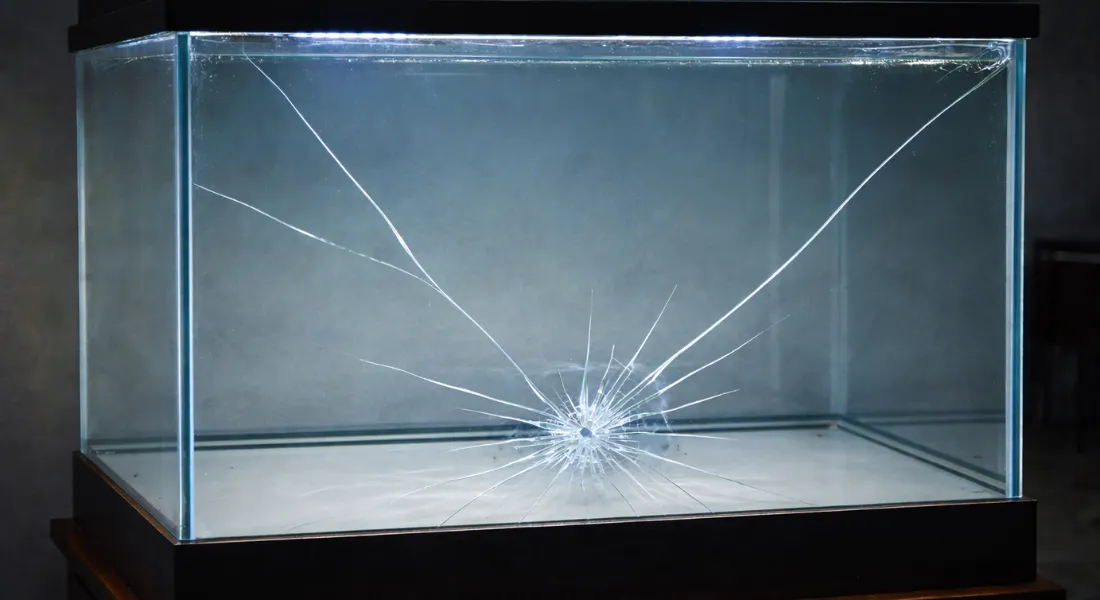
A crack in a glass aquarium can be one of the most stressful things a fish keeper experiences. One moment everything looks perfect, and the next, you notice a line spreading across the glass tank. A cracked aquarium glass panel raises immediate questions: Is it safe? Can it be fixed? Or do you need to replace the tank entirely?
In this guide, we’ll walk through aquarium crack repair, how to inspect your tank, and when a simple fix may work versus when a full replacement is the safer option. If you’ve discovered a crack in your tank corner or along the bottom pane, this article will help you understand your options and protect both your fish and your home.
What Should You Do First When You See a Crack in Your Aquarium?
The moment you see a crack in the glass, the first thing to do is stay calm and act quickly. A damaged tank doesn’t always fail immediately, but the structural integrity may already be compromised. Start by checking the size and direction of the crack and determine whether it is spreading across the pane of glass.
If the crack appears near the edge of the glass or along a seam, the situation may become serious faster because those areas carry more stress. The pressure of water inside the tank pushes outward on every glass panel, so even small fractures can worsen over time.
To reduce pressure, begin lowering the water level in the aquarium. Removing water reduces the force pushing against the glass and can help prevent sudden leakage or a catastrophic failure while you decide on a repair plan.
Can a Cracked Aquarium Glass Tank Be Repaired?
Many aquarium owners ask whether a cracked aquarium can be fixed instead of replaced. The answer depends on the location and severity of the damage. Some minor damage such as hairline cracks or small chips near the edge might be manageable with a glass repair approach.
However, a full structural crack running across the pane is a different story. When the glass tank itself is compromised, the safest option may be to replace the tank rather than attempting a risky fix.
In some situations, hobbyists attempt a patch or reinforcement with a glass patch or silicone seal. While these methods may temporarily hold the glass together, they should always be treated as a short-term solution unless the damaged section is properly replaced.
Where Is the Crack Located on the Aquarium Glass?
The location of the crack is one of the most important factors in deciding how to proceed. For example, a fracture along the corner seam may affect multiple panes and weaken the bond where the silicone was originally applied.
A crack across the bottom of the tank is particularly risky because that area holds the full weight of the water. If the crack is on the bottom, even a small fracture can quickly expand due to pressure.
Damage to a side glass panel may allow more options. In some cases, that specific panel can be removed and a replacement piece of glass installed. This process requires removing the old silicone and carefully installing a new pane with aquarium-safe sealant.
What Causes Glass Aquarium Cracks in the First Place?
Aquarium glass is strong, but it’s not indestructible. One common cause of a crack is impact damage. Dropping equipment or hitting the surface of the tank with a heavy object can create a fracture that spreads over time.
Another cause is uneven support. If the bottom of the tank is not fully supported, stress can build along the edge or across the pane. Over time, this pressure can lead to a cracked panel.
Temperature changes, manufacturing defects, or incorrect thickness of glass can also play a role. Sometimes the manufacturer may even provide warranty support if the crack occurs due to a structural defect in the tank design.
Can Silicone Seal a Crack in Aquarium Glass?
Many people try using silicone to fix damaged tanks, but it’s important to understand how it works. Silicone is primarily used to seal and bond the glass panels together during construction, not to permanently repair broken glass.
You may see advice online telling you to put silicone directly over the crack. Adding a bead of silicone across the damaged area might temporarily slow leakage, but it does not restore the structural integrity of the tank.
If you do attempt a temporary fix, make sure you use aquarium-safe silicone rather than standard household sealant. Aquarium products are designed to cure safely without releasing chemicals harmful to fish.
Should You Use a Repair Kit or DIY Glass Patch?
Some hobbyists try using a repair kit designed for windshield repair. These kits often contain epoxy or resin meant to fill small cracks in automotive glass.
While these products can sometimes stabilize small chips, they are not always ideal for aquarium use. The pressure inside a filled tank is far greater than what a windshield experiences.
A better option for minor damage may be chip repair using specialized aquarium materials. In this case, a small glass patch or reinforcement piece may be glued over the damaged area to strengthen it temporarily.
When Should You Replace the Entire Aquarium Tank?
Sometimes the safest decision is simply to replace the aquarium. If the damage involves a large structural crack, multiple panes, or a fracture that continues spreading, replacement is the best choice.
Large aquariums—especially those over 100 gallon capacity—store enormous pressure. Even a small weakness in the glass can lead to sudden failure and flooding.
If you’re unsure whether to attempt any repair, consult experienced aquarium hobbyists or professionals. Watching tutorials on YouTube can also help you understand the risks and see real examples of successful and failed repairs.
How Do You Replace a Cracked Glass Panel in an Aquarium?
Replacing a glass panel is a complex process but possible for experienced DIY aquarists. First, the tank must be completely emptied and cleaned so the siliconed seams are accessible.
Next, the damaged pane is carefully removed by cutting away the old silicone sealant. This step often involves careful scraping and sometimes using a tool or even a small drill to remove stubborn sections.
Once the damaged section is gone, a new pane of glass matching the original thickness is installed. Fresh silicone is applied along the edges, and the new piece is pressed into place so the glass together forms a strong bond.
How Long Should Aquarium Silicone Cure After Repair?
After siliconing a tank or installing a new panel, patience is critical. The silicone must fully cure before the aquarium can safely hold water again.
Most aquarium-safe silicone requires 24–48 hours to cure, but many experts recommend waiting several days. During this time, the sealant hardens and forms a waterproof bond between the two pieces of glass.
Filling the tank too early can weaken the bond and cause future leak problems, so always follow the recommended curing time.
How Can You Prevent Aquarium Glass from Cracking?
Prevention is always better than dealing with a cracked aquarium glass emergency. The most important step is ensuring the tank sits on a perfectly level stand.
Always check that the stand supports the entire edge of the glass and that the weight is evenly distributed. Uneven pressure is a leading cause of hidden stress cracks.
Regular inspection also helps. Look for early warning signs like hairline cracks, tiny chips, or small areas where the silicone seam looks worn. Catching these problems early can prevent a much bigger issue later.
Professional Glass Repair Services You Can Trust
If you’re dealing with cracked aquarium glass or damaged glass panels, sometimes the safest option is to get help from professionals who work with glass every day. DIY fixes can work in certain situations, but when a crack spreads across a pane or affects the structural integrity of the tank, expert advice can save you time, money, and potential damage to your home.
At Allnite Glass, we specialize in professional glass services, including glass replacement, glass repair, custom glass solutions, and emergency glass work. Our experienced team works with many types of glass installations, from residential windows and doors to specialty glass panels and custom projects.
If your aquarium glass is cracked and you’re unsure whether it can be repaired or needs replacement, our team can help you understand your options. We focus on safe, durable solutions and quality craftsmanship so you don’t have to worry about recurring issues or unsafe glass.
Visit Allnite Glass to learn more about our glass services or to request assistance with your glass repair needs.
Key Things to Remember About Cracked Aquarium Glass
- A crack in aquarium glass can compromise the safety of the entire tank.
- Lowering the water level helps reduce pressure and prevent immediate failure.
- Minor chips or hairline cracks may sometimes be stabilized temporarily.
- Large fractures or structural cracks usually mean it’s time to replace the tank.
- Silicone can help seal joints but does not permanently fix broken glass.
- A damaged glass panel may be replaced if the rest of the aquarium is sound.
- Always allow silicone to fully cure before refilling the tank.
- Regular inspection of seams, edges, and panels helps prevent future cracks.
If you keep aquariums long enough, eventually you’ll deal with some form of damage to the glass. The key is understanding when a quick repair is safe and when replacing the tank protects your fish and your home. A careful inspection, the right materials, and patience can make all the difference.

Allnite Glass Team
Expert glaziers sharing glass tips and industry insights.
Ready to Get Started?
Contact us today for a free quote on commercial glazing, custom-cut glass, window repair, and more. Most repairs completed within 24–48 hours.
Monday – Friday: 7:00 AM – 5:00 PM · Saturday – Sunday: Closed