How Window Glazing Saves Energy in Your Home
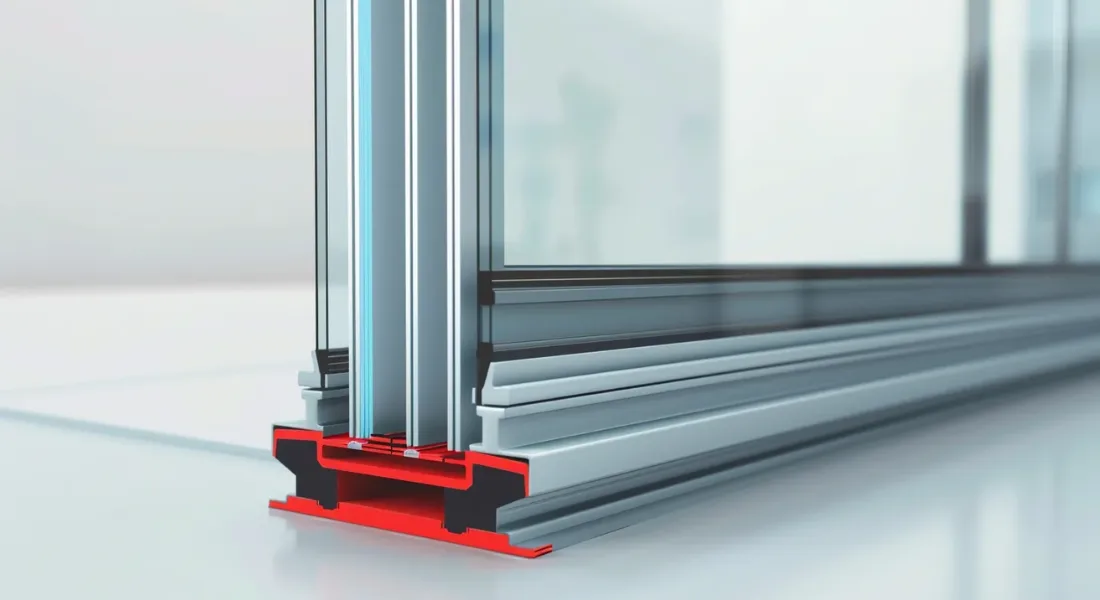
Windows are one of the largest sources of heat loss and heat gain in a home. According to the U.S. Department of Energy, heat gain and loss through windows accounts for 25–30% of residential heating and cooling energy use. The right glazing can cut that figure significantly — without replacing your window frames.
How Heat Moves Through Windows
To understand how glazing saves energy, it helps to understand the three ways heat moves through glass:
Conduction: Heat moving through the solid glass material itself. Glass is a moderate conductor — not as bad as metal, not as good as plastic foam.
Convection: Heat carried by air movement. The gas between the panes of a double-pane window is a key insulating layer — still air (or inert gas) is an excellent insulator.
Radiation: Infrared energy radiating from warm surfaces toward cooler ones. This is the most significant mechanism through glass and the one that Low-E coatings address.
Single Pane vs. Double Pane vs. Triple Pane
The most fundamental glazing upgrade is going from single-pane to double-pane glass:
| Glazing Type | U-Factor (approx.) | Energy Improvement |
|---|---|---|
| Single pane | ~1.0 | Baseline |
| Double pane (clear) | ~0.50 | ~50% better |
| Double pane with Low-E | ~0.30 | ~70% better |
| Triple pane with Low-E | ~0.20 | ~80% better |
The U-factor measures total heat flow — lower is better. Replacing a single-pane window with a double-pane Low-E unit cuts heat flow by roughly 70% through the glass itself.
How Low-E Coatings Work
Low-E (low emissivity) glass has a microscopically thin metallic coating — typically silver or tin oxide — on one of the interior glass surfaces of a double-pane unit.
This coating:
- Reflects radiant infrared heat back toward its source
- Keeps interior heat inside in winter
- Keeps solar heat outside in summer
- Does not significantly reduce visible light transmission
The position of the coating within the IGU determines its behavior:
- Interior face of outer pane (Face 2): Reduces solar heat gain — good for southern and western exposures in warm climates
- Interior face of inner pane (Face 3): Reduces heat loss — better for northern exposures in cold climates
Many modern windows use dual Low-E coatings or solar control Low-E that balances both heating and cooling performance.
Gas Fills: Argon vs. Krypton
The gas between the panes matters less than the Low-E coating, but still contributes:
Air: R-value of approximately 0.5 per inch of space. Standard if no gas fill is specified.
Argon: Denser than air, better insulator. R-value approximately 0.7 per inch. Standard in most quality IGUs. Adds $10–$30 to the cost of a unit.
Krypton: Denser than argon, better insulator. R-value approximately 0.9 per inch. Used in high-performance windows and triple-pane units. More expensive.
For most homes, argon is the right choice — the additional cost of krypton doesn’t justify the marginal improvement in Tennessee’s climate.
Warm-Edge Spacers
The spacer bar that separates the panes is a thermal bridging point — it connects the two glass panes at the edge, allowing heat to transfer between them. Traditional aluminum spacers conduct cold significantly.
“Warm-edge” spacers made from foam, fiberglass, or hybrid materials reduce this edge heat loss and improve condensation resistance at the window corners. They’re standard in quality IGUs and worth specifying.
What to Prioritize for Clarksville, TN Homes
For Middle Tennessee’s mixed heating/cooling climate:
- Double pane over single pane — the biggest single improvement
- Low-E coating with solar control — target SHGC 0.25–0.30 for south/west exposures
- Argon fill — always worth the small premium
- Warm-edge spacers — ask for them; most quality IGUs include them
Getting Energy-Efficient Glass
At Allnite Glass, we fabricate replacement IGUs with Low-E glass and argon fill for any window frame. If you have fogged or damaged windows, upgrading to Low-E during the repair costs only marginally more and delivers lasting energy savings. Call (931) 645-2464 or visit 1525 Ashland City Rd, Clarksville, TN.

Allnite Glass Team
Expert glaziers sharing glass tips and industry insights.
Ready to Get Started?
Contact us today for a free quote on commercial glazing, custom-cut glass, window repair, and more. Most repairs completed within 24–48 hours.
Monday – Friday: 7:00 AM – 5:00 PM · Saturday – Sunday: Closed