The Best Glass Railing for Your Deck or Balcony
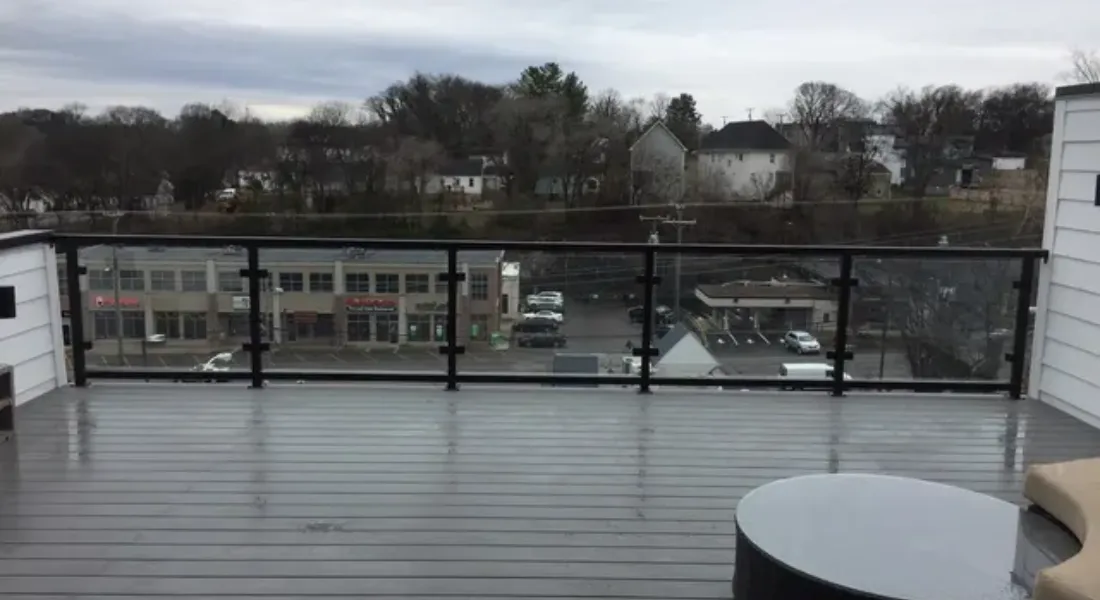
Thinking about upgrading your deck, balcony, or staircase with a glass railing? You’re not alone. Frameless glass railings have become one of the most sought-after features in modern home design — and for good reason. They’re sleek, durable, and let you enjoy your outdoor space without a bulky barrier blocking the view. But with so many options for glass railings, styles, and installation methods available, knowing where to start can feel overwhelming. This guide covers everything you need to know — from choosing the right type of glass to understanding costs and maintenance — so you can make a confident decision for your railing project.
What Makes a Glass Railing System Different from Traditional Options?
A glass railing system replaces the solid posts, balusters, and panels you’d find in materials like wood or metal with transparent glass panels held in place by minimal hardware. The result is a clean, open look that feels both contemporary and timeless. Unlike traditional deck railing options, a glass railing doesn’t interrupt sightlines, making your outdoor space feel larger and more connected to the surrounding environment.
The aesthetic appeal of glass goes well beyond looks. Glass is weather-resistant, doesn’t rot or rust, and is far easier to maintain than materials like wood. Modern glass railing systems are designed to withstand significant wind loads, impact, and temperature swings — making them suitable for everything from a rooftop balcony to a ground-level deck railing in harsh climates.
What Type of Glass Is Used in Glass Railings?
Not all glass is created equal, and the type of glass you choose will have a direct impact on the safety, appearance, and durability of your glass railing. Glass railings are typically made from either tempered glass or laminated glass — both classified as safety glass, but with different properties.
Tempered glass is the most commonly used for glass railings. It’s manufactured by heating standard glass to extreme temperatures and then rapidly cooling it, making it significantly more durable than regular glass. When tempered glass breaks, it shatters into small, blunt cubes rather than sharp shards — dramatically reducing injury risk. Laminated glass, on the other hand, consists of two glass layers bonded with an interlayer. If it breaks, the interlayer holds the pieces together, preventing the panel from collapsing entirely. The best glass for your specific application often comes down to location, load requirements, and local building code — tempered or laminated glass may each be specified depending on the situation.
Frameless vs. Semi-Frameless: Which Glass Railing Style Is Right for You?
When exploring types of glass railing, you’ll quickly encounter two main camps: frameless and semi-frameless. Frameless glass railings use minimal hardware — typically low-profile glass clamps or a channel system at the base — so the glass panel appears to float with no visible frame. This creates the cleanest, most unobstructed view possible and is the preferred choice for premium residential and commercial installations.
Semi-frameless systems use posts at intervals with the glass panels fitted between them. They’re slightly more affordable and can be easier to install for a DIY homeowner, while still delivering a far more open glass look than traditional railings. Both styles are available in a wide range of glass thicknesses, finishes, and hardware options, so neither limits your ability to customize your glass railing to suit your home’s architecture.
Where Can You Install a Glass Railing? Decks, Balconies, and Stairs
One of the great strengths of a glass railing system is its versatility. A glass deck railing is one of the most popular applications — it transforms a standard timber or composite deck into something that looks genuinely architectural. Whether you have a ground-floor deck overlooking a garden or an elevated deck with a panoramic view, the unobstructed view a glass deck railing provides is hard to match with any other material.
On the balcony side, a glass balcony railing is equally impactful. Balcony railings are typically more exposed to wind and the elements than deck railings, which makes the structural properties of high-quality tempered glass panels especially important. For stair applications, a glass stair railing adds elegance to both interior and exterior staircases. Interior glass railing on a staircase creates a light-filled, open feel inside the home, while an exterior glass railing system on outdoor stairs handles weather exposure without compromising on style.
What Are the Safety Standards for Glass Railings?
Safety is non-negotiable when it comes to any railing system, and glass is no exception. Building codes and safety standards vary by region, but most jurisdictions require that glass used in railings meet specific thickness and strength criteria. In most residential applications in North America, the minimum thickness of glass for a railing panel is 10mm (3/8 inch), though 12mm (1/2 inch) is more common and often required for taller or more exposed installations.
The building code in your area will also specify minimum rail heights — typically 36 inches for decks and balconies under a certain height, and 42 inches for higher elevations. When installing a glass railing, always verify your local requirements before ordering panels. A professional glass installer or your local building authority can confirm whether your planned glass railing panels meet the required type of safety glass specifications for your project.
How Do You Choose Glass for Outdoor vs. Indoor Applications?
When you choose glass for an outdoor glass railing versus an indoor one, the considerations are somewhat different. For exterior applications, UV resistance, salt air tolerance (in coastal areas), and resistance to thermal expansion all matter. Tempered glass panels are well suited to these conditions — they’re designed to handle temperature fluctuations and won’t degrade under sun exposure the way some coatings or films can.
For interior glass railing applications, you have more flexibility in glass option choices. Frosted glass is a popular pick for stair railings and balcony railings in homes where privacy or a softer aesthetic is preferred. Tinted glass can complement a specific interior colour palette. If you’re looking to add a distinctive touch, custom glass solutions — including etched or patterned panels — allow you to fully customize your glass while maintaining all required safety properties. Whatever the setting, quality glass and professional glass installation are the two factors that matter most.
What Hardware and Mounting Systems Are Available?
The hardware you choose is just as important as the glass type when it comes to the finished look of your railing system. Glass clamps are among the most popular mounting options for frameless glass railings — they grip the glass panel from both sides with minimal visual footprint, creating that signature floating-glass effect. Available in stainless steel, brushed nickel, and matte black, glass clamps can be matched to your home’s existing fixtures for a cohesive result.
Channel systems — where the glass panel slots into a base channel at the bottom — offer a particularly clean look since no hardware appears on the glass surface itself. A top rail or handrail can be added above the glass for grip and code compliance. The top rail runs along the upper edge of the railing and can be made from stainless steel, aluminum, or even wood for a warmer contrast against the modern glass panels. Balcony railing systems and glass deck railing systems both benefit from stainless steel hardware for corrosion resistance in outdoor environments.
How Much Does a Glass Railing Cost?
Railing cost is one of the most common questions homeowners have, and the honest answer is that glass railings sit at the premium end of the railing market. Expect to pay anywhere from $150 to $400 or more per linear foot for a fully installed glass railing system, depending on the type of glass, hardware, and whether the installation is interior or exterior. Frameless glass railings tend to cost more than semi-frameless because the hardware and glass installation require greater precision.
That said, the long-term value is strong. Glass doesn’t require staining, painting, or sealing like wood, and the maintenance burden over time is minimal. The primary ongoing task is simply to clean the glass periodically with a standard glass cleaner to keep the panels streak-free and clear. When you factor in the reduced maintenance cost and the genuine boost to a home’s visual appeal and resale value, a glass railing investment often pays for itself.
What Are Common Types of Damage and How Do You Maintain Glass Railings?
Glass railings are remarkably low-maintenance compared to other materials, but understanding the types of damage they can be susceptible to helps you protect your investment. The most common issues are surface scratches (usually from abrasive cleaning materials), hard water staining, and — in rare cases — impact damage. Tempered glass breaks into small cubes rather than jagged shards when struck hard enough, so if a panel is damaged it generally needs full replacement rather than repair.
To keep your glass railing looking its best, clean the glass surface regularly with a non-abrasive cleaner and a soft cloth or squeegee. Avoid steel wool or harsh scrubbing pads, which will scratch the glass surface. Inspect the hardware — including glass clamps and channel bases — periodically for any signs of corrosion or loosening. A properly installed, high-quality glass railing system is easy to maintain and built to last for decades when given basic care.
Should You DIY or Hire a Professional for Glass Railing Installation?
Installing glass railing panels is not a typical weekend DIY project for most homeowners. The panels are heavy, the tolerances are precise, and making glass railing installations watertight and structurally sound requires experience in glass handling and hardware installation. Errors in glass installation can compromise the structural integrity of the entire railing — a serious safety concern at elevation.
For most projects — whether a glass balcony, a glass deck, or a stair application — hiring a contractor with design and installation experience is the recommended path. A professional with experience in glass railing systems will handle the design and installation process from measuring and ordering custom glass panels to final hardware torquing and inspection. They’ll also ensure your railing project meets all relevant building codes, saving you the headache of failed inspections or costly retrofits. For complex or large-scale projects, working with professional glass specialists who handle both residential and commercial installations gives you access to a wider range of glass options and finishes than most DIY suppliers offer.
Upgrade Your Property with Professional Glass Railings from Allnite Glass
If you’re considering installing a glass railing system for your deck, balcony, or stairs, working with experienced professionals can make all the difference. A properly designed and installed glass railing not only enhances your property’s appearance but also ensures the system meets all structural and safety requirements.
At Allnite Glass, we specialize in custom glass railing systems for both residential and commercial properties. Our team designs and installs high-quality frameless glass railings, glass fences, and wind screens that deliver the clean, modern look homeowners want while maintaining the strength and durability required for outdoor environments.
Explore our full range of services here:
https://allniteglass.com/glass-rails-fences-wind-screens
Frequently Asked Questions
1. Is tempered glass strong enough for an outdoor deck or balcony railing? Yes. Tempered glass is specifically designed to withstand impact, wind loads, and temperature changes. It’s the most commonly used type of safety glass for outdoor glass railing applications precisely because of its strength and durability.
2. How thick should glass railing panels be? Most building codes require a minimum thickness of 10mm (3/8 inch), though 12mm (1/2 inch) is standard for most deck and balcony installations. Always check your local building code before ordering.
3. Can I install a glass railing myself? It’s possible for semi-frameless systems, but not recommended for most homeowners. The panels are heavy, tolerances are tight, and incorrect installation can create serious safety risks — especially at height. A professional glass installer is the safer choice.
4. How do I clean and maintain a glass railing? Simply clean the glass surface periodically with a standard glass cleaner and a soft, non-abrasive cloth or squeegee. Avoid steel wool or harsh scrubbing pads. Also, inspect hardware like glass clamps for any loosening or corrosion every season.
5. What is the difference between tempered and laminated glass for railings? When tempered glass breaks, it shatters into small, blunt cubes. When laminated glass breaks, the interlayer holds the pieces together so the panel stays in place. Your local building code or a professional glass installer can advise which is required for your specific application.
Key Takeaways
- Glass railings are typically made from tempered glass or laminated glass — both are classified as safety glass and far more durable than regular glass.
- Frameless glass railings offer the cleanest unobstructed view; semi-frameless systems are a more budget-friendly alternative.
- A glass railing system works beautifully on decks, balconies, and stairs — both indoors and outdoors.
- Always verify local building codes and safety standards before specifying glass thickness or rail height.
- For outdoor installations, high-quality tempered glass panels and corrosion-resistant hardware are essential.
- Frosted glass and tinted glass are popular options for interior applications where privacy or design customization is a priority.
- Railing cost typically runs $150–$400+ per linear foot installed, but long-term maintenance costs are low.
- Clean the glass regularly with a soft, non-abrasive cloth — glass railings are easy to maintain with basic care.
- Glass clamps and channel systems are the two main hardware approaches for frameless glass railing panels.
- For most homeowners, professional glass installation is strongly recommended to ensure safety, code compliance, and a flawless result.

Allnite Glass Team
Expert glaziers sharing glass tips and industry insights.
Ready to Get Started?
Contact us today for a free quote on commercial glazing, custom-cut glass, window repair, and more. Most repairs completed within 24–48 hours.
Monday – Friday: 7:00 AM – 5:00 PM · Saturday – Sunday: Closed