What Is Category 2 Safety Glass? A Simple Guide to Safety Glazing and Building Codes
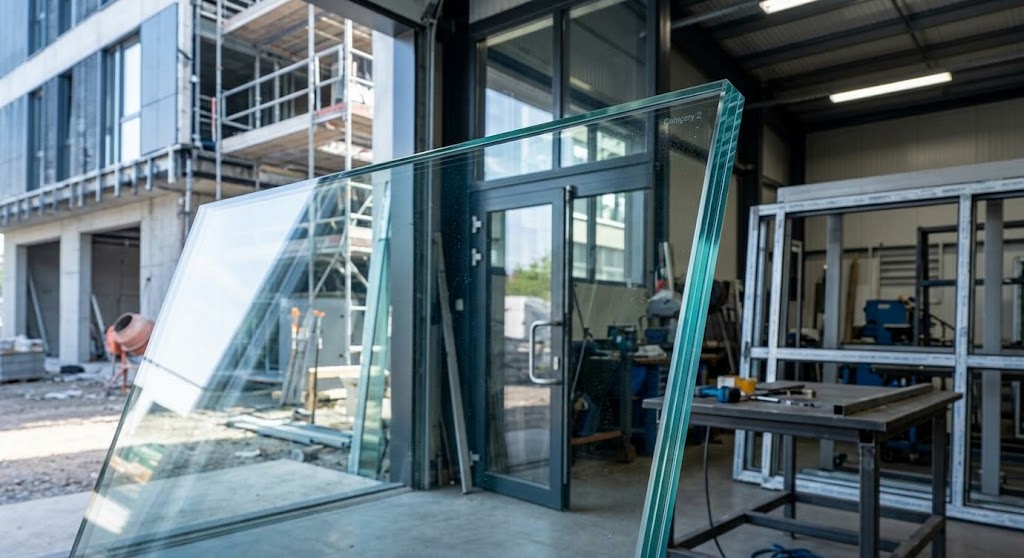
What Is Category 2 Safety Glass?
Category 2 safety glass, officially called Category II safety glazing, is glass that meets specific impact-testing requirements under federal regulation 16 CFR Part 1201.
Need Safety Glass in Clarksville, TN? Allnite Glass Can Help
Contact Us!Category 2 safety glass is glass that has passed a higher level of impact testing under a U.S. federal safety standard. It is designed to help reduce serious injuries when someone accidentally walks into or falls against glass.
You may find this type of safety glazing in doors, shower enclosures, and other areas where people could accidentally hit the glass. But what makes Category 2 different from other types of safety glass? And how do you know when it is required?
In this guide, we’ll explain what Category 2 safety glass means, how it compares with Category 1, which types of glass can qualify, and what building codes say about where safety glazing is needed.
What Is Category 2 Safety Glass?
Category 2 safety glass, officially called Category II safety glazing, is glass that meets specific impact-testing requirements under federal regulation 16 CFR Part 1201.
In simple terms, the glass is tested to see how it performs when struck by a person. The goal is to reduce the risk of serious injuries if someone accidentally hits the glass and it breaks.
Category 2 safety glass must pass a higher impact test than Category 1 safety glass. This makes it suitable for certain applications where stronger impact protection is required by the applicable building code.
However, Category 2 does not mean the glass is unbreakable. It can still break under enough force. The difference is that compliant safety glazing is designed to reduce the risk of injuries caused by broken glass.
Understanding this classification helps contractors, architects, and property owners choose the right glass for their projects.
What Is 16 CFR Part 1201?
16 CFR Part 1201 is a U.S. federal safety standard for certain types of architectural glazing materials. It was established by the Consumer Product Safety Commission (CPSC) to help protect people from serious injuries caused by glass breakage.
The standard covers specific products, including certain doors and other glass installations used in buildings. It explains how these products must perform during impact testing and identifies different safety categories.
Under this standard, glass can qualify as Category I or Category II, depending on the results of its impact tests. Category II has the higher impact requirement.
Manufacturers must ensure that applicable products meet the required safety standard and provide the appropriate product identification and certification.
If you’re choosing glass for a building project, checking the manufacturer’s documentation is important. It helps confirm that the product meets the requirements for its intended use.
You can read the official 16 CFR Part 1201 regulation for more information.
What Is the Difference Between Category 1 and Category 2 Safety Glass?
The main difference between Category 1 and Category 2 safety glass is how much impact each type must withstand during standardized testing.
Category I is tested at a 150-foot-pound impact level, while Category II is tested at a 400-foot-pound impact level under 16 CFR Part 1201.
This means Category II must meet a higher impact-performance requirement. However, it does not mean every Category II product is suitable for every situation. The correct glass still depends on the installation and the building code.
For example, a project involving a glass door or a large glass panel may have different requirements from a smaller decorative glass installation.
When comparing the two categories, remember that the classification describes the results of a specific test. It does not mean the glass will never break or that it is automatically stronger in every possible situation.
Always check which category is required before purchasing or installing safety glazing.
What Types of Glass Can Meet Category 2 Requirements?
Several types of glass can be manufactured to meet safety glazing requirements. Two common options are tempered glass and laminated glass.
Tempered glass is specially heated and cooled during manufacturing to make it stronger than ordinary annealed glass. When it breaks, it usually shatters into many small pieces instead of forming large, sharp shards. This can help reduce the risk of serious cuts.
Laminated glass is made by bonding two or more layers of glass together with a special plastic interlayer. If the glass breaks, the interlayer helps hold the broken pieces together instead of allowing them to fall apart easily.
Both types can be useful for safety glazing, but not every tempered or laminated glass product automatically meets Category II requirements. The finished product must pass the appropriate tests.
Other types of glass may also be suitable for specific applications. For example, heat-strengthened glass is stronger than ordinary glass but should not automatically be treated as safety glazing. Traditional wired glass also does not automatically meet modern safety requirements simply because it contains wire.
The important thing is to confirm that the specific glass product meets the required standard.
Do Building Codes Require Safety Glazing ?
Building codes require safety glazing in certain locations where people are more likely to hit the glass accidentally. These locations are often called hazardous locations.
Common examples include:
- Glass in certain swinging and sliding doors.
- Glass in shower and bathtub enclosures.
- Glass panels close to doors.
- Large glass panels near floors and walking areas.
- Certain glass railings and guards.
- Other locations specifically identified by the applicable building code.
These requirements exist because ordinary glass can cause serious injuries when someone accidentally walks into it or falls against it.
The International Building Code includes rules for identifying hazardous glazing locations and determining what type of safety glass is acceptable.
However, not every location requires Category II. Some installations may allow Category I or another approved safety glazing classification. The exact requirements depend on the building code adopted by the local jurisdiction and any applicable exceptions.
If you’re planning a construction project or replacing existing glass, check the local building code before selecting the material.
You can find building-code resources through the International Code Council.
Do Glass Doors and Shower Enclosures Need Category 2 Safety Glass?
Glass doors and shower enclosures are common places where safety glazing is required because people can easily slip, fall, or walk into the glass.
For example, someone stepping out of a shower could lose their balance and hit a glass panel. A person walking through a doorway could also accidentally strike a glass door they did not notice.
Because of these risks, many building codes require safety glazing in certain door and shower installations. Some of these applications specifically require Category II performance under 16 CFR Part 1201.
However, the rules depend on the type of installation, the size and location of the glass, and the applicable building code. Some situations may qualify for specific exceptions.
If you’re replacing a shower door or glass panel, don’t choose a replacement based only on its size or appearance. Make sure it meets the applicable safety requirements and is compatible with the existing frame and hardware.
Need Safety Glass in Clarksville, TN? Allnite Glass Can Help
Need help choosing the right safety glass for your home or business? At Allnite Glass, we help property owners and businesses in Clarksville, TN, find the right glass solutions for their needs. From residential window glass repairs to commercial glass repair, custom-cut glass, mirrors, and shower glass, our experienced team is here to help. As a third-generation, family-owned business serving the area since 1949, we’re committed to quality workmanship and dependable service. Contact Allnite Glass today to discuss your glass repair or replacement needs!
Expert glaziers sharing glass tips and industry insights.
Ready to Discuss Your Glass Project?
Tell Allnite Glass what you need, where the project is located, and whether the glass can be brought to the Clarksville shop. The team will confirm scope, availability and next steps.
Monday – Friday: 7:00 AM – 5:00 PM · Saturday – Sunday: Closed