What Is The Best Alternative to Glass Glazing?
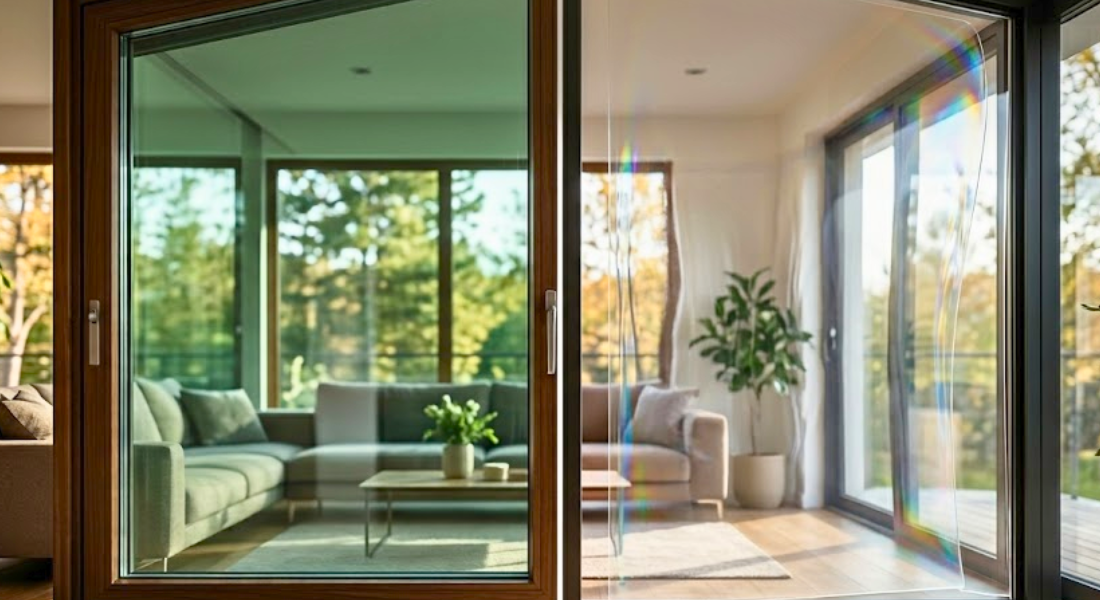
If you want a window that’s lighter, safer, and less likely to break than traditional glass, acrylic and polycarbonate are two of the best options to consider.
They may look similar at first glance, but each material has its own strengths and is designed for different situations.
Whether you’re building a greenhouse, upgrading your patio, or replacing a damaged window, understanding the differences will help you make the right decision without feeling overwhelmed.
Acrylic Is a Lightweight and Clear Glass Window Alternative
Acrylic is one of the easiest materials to work with if you want the appearance of glass without the extra weight.
It offers excellent clarity while weighing much less than a typical glass window.
Many people also know acrylic by the name plexiglass, although Plexiglass is simply a brand that manufactures acrylic products.
Because acrylic is lightweight, it’s easier to transport, install, and customize for different projects.
Many homeowners choose acrylic windows for greenhouses, patio enclosures, sheds, and other home improvement projects.
Another advantage is that acrylic glass can be cut, drilled, and shaped much more easily than traditional glass.
If you’re looking for a practical glass window alternative, acrylic is usually one of the first materials professionals recommend.
Polycarbonate Is the Strongest Plastic Option
If strength is your biggest concern, polycarbonate is hard to beat.
This type of plastic is designed to withstand heavy impacts without breaking like ordinary materials.
A polycarbonate window is often described as stronger than glass because it can absorb force instead of cracking immediately.
Some manufacturers even claim it has 17 times the impact strength of acrylic.
That makes it an excellent choice for garages, workshops, schools, and commercial buildings.
Instead of producing dangerous pieces when damaged, polycarbonate is designed to resist shattering and minimize accidental breakage.
You’ll also find it in demanding applications like bus shelters, subway stations, security barriers, and buildings exposed to vandalism.
Plastic Windows Have Improved a Lot Over the Years
Modern plastic windows are much more durable than many people expect.
Today’s materials are designed to provide strength, clarity, and long-term performance.
Using plastic for windows has become increasingly popular because it reduces weight while maintaining excellent visibility.
A plastic window is also easier to install because one person can often handle large panels without specialized equipment.
Both acrylic plastic and polycarbonate products are manufactured from a strong polymer that performs well indoors and outdoors.
As a plastic alternative to glass, they offer a practical solution for many residential and commercial projects.
Acrylic and Polycarbonate Each Have Their Own Advantages
Choosing between acrylic or polycarbonate depends on what matters most to you.
If you want maximum clarity and a polished appearance, clear acrylic is usually the better choice.
If you prioritize durability and impact resistance, polycarbonate is stronger than acrylic and performs better under heavy stress.
Both materials are available as acrylic sheets or polycarbonate sheet products in different thicknesses.
Both also provide excellent light transmission, allowing rooms to stay bright and open.
When comparing glass and acrylic, many homeowners appreciate how lightweight acrylic feels without sacrificing appearance.
Window Glazing Can Improve Comfort and Efficiency
The right glazing material does more than keep the weather outside.
Good window glazing helps improve comfort and energy performance throughout the year.
Because acrylic and polycarbonate have lower thermal conductivity than many traditional materials, they can contribute to better insulation when properly installed.
Proper sealing with caulk also helps reduce drafts and moisture leaks.
Combined with quality window frames, these materials create windows that stay efficient for years.
That’s one reason more homeowners are considering alternatives for windows instead of automatically choosing standard glass windows.
Safety Is One of the Biggest Reasons People Switch
Safety is where acrylic and polycarbonate really shine.
Unlike normal glass, these materials are much less likely to create sharp pieces during an accident.
Instead of producing a dangerous shard, they typically crack or bend depending on the force of the impact.
Polycarbonate is especially impressive because many products are marketed as shatterproof for everyday use.
Multi-layered polycarbonate panels are even manufactured as bullet-resistant and bulletproof products for high-security locations.
They help protect against forced entry attempts while remaining lightweight and easy to install.
UV Protection Helps Keep Windows Looking New
Outdoor windows need to withstand years of sun exposure.
High-quality acrylic products include a protective coating that helps resist UV damage.
This prevents the material from turning yellow while maintaining excellent clarity.
Polycarbonate products are also available with protective coatings that improve scratch resistance and weather performance.
With proper care, both materials provide impressive durability for residential and commercial installations.
Replacing Glass Is Easier Than You Might Think
Replacing glass doesn’t always mean installing another glass pane.
Many homeowners now choose acrylic for greenhouses, patios, garages, and workshops because it’s lightweight and easy to customize.
Cast acrylic is especially popular thanks to its excellent optical quality and smooth finish.
If your project doesn’t require safety glass, acrylic can be an affordable and attractive upgrade.
For locations that need additional protection, tempered glass and laminated glass are still excellent choices, depending on local building requirements.
Which Material Should You Choose?
The best material depends on how you’ll use it.
Choose acrylic if you want a beautiful finish, easy installation, and excellent clarity.
Choose polycarbonate if you need maximum impact strength and long-term durability.
Both are excellent alternatives to window glass and offer advantages that traditional materials cannot always provide.
Whether you’re upgrading a patio enclosure or planning a complete renovation, understanding the differences makes the decision much easier.
Professional Window Glass Replacement & Glazing Services in Clarksville, TN
While acrylic and polycarbonate can be excellent alternatives for certain applications, many homes and commercial buildings still benefit from professionally installed glass windows that offer superior scratch resistance, long-term clarity, and a polished appearance. At Allnite Glass, we help property owners throughout Clarksville and Middle Tennessee choose the right glazing solution for their needs, whether that’s replacing damaged window glass, upgrading commercial storefronts, installing insulated glass units, or completing custom glazing projects. With nearly 75 years of experience, our team provides expert recommendations, quality workmanship, and durable glass solutions designed to improve comfort, efficiency, and curb appeal.
Contact Allnite Glass today for a free quote on your next window replacement or glazing project.
Frequently Asked Questions
1. Is acrylic better than glass for windows?
Acrylic is lighter and more impact-resistant than regular glass, making it an excellent choice for many residential projects.
Glass still offers better scratch resistance, so the right option depends on your priorities.
2. Which is better: acrylic or polycarbonate?
Acrylic provides outstanding clarity and appearance.
Polycarbonate offers greater strength and is a better option for projects exposed to high impact.
3. Can acrylic replace window glass?
Yes.
Many homeowners use acrylic to replace window glass in sheds, greenhouses, patios, workshops, and garages because it is lightweight and easy to install.
4. Does acrylic turn yellow over time?
High-quality acrylic products include UV protection that helps prevent yellowing and keeps the material clear for years.
5. Is polycarbonate really shatterproof?
Polycarbonate is widely considered shatterproof because it resists breaking under heavy impact much better than conventional glass.
6. What is the difference between plexiglass and acrylic?
Plexiglass is simply a brand name for acrylic.
The material itself offers the same transparency, weather resistance, and versatility.
7. Is acrylic cheaper than glass?
Depending on the thickness and application, acrylic can be competitively priced and may reduce installation costs because it is lighter and easier to handle.
8. Which material is best for home windows?
Standard glass remains the most common option for homes.
However, acrylic is ideal for lightweight projects, while polycarbonate is perfect for areas where extra strength and safety are important.
Key Takeaways
- Acrylic is lightweight, clear, and easy to customize.
- Polycarbonate offers exceptional impact resistance and durability.
- Both materials are excellent alternatives to traditional window glass.
- Good glazing and proper installation improve energy efficiency and comfort.
- UV-resistant coatings help maintain clarity for outdoor use.
- Acrylic is perfect for appearance-focused projects.
- Polycarbonate is the better choice when safety and strength are top priorities.
- Understanding the pros and cons of each material makes choosing the right window much easier.
Allnite Glass Team
Expert glaziers sharing glass tips and industry insights.
Ready to Get Started?
Contact us today for a free quote on commercial glazing, custom-cut glass, window repair, and more. Most repairs completed within 24–48 hours.
Monday – Friday: 7:00 AM – 5:00 PM · Saturday – Sunday: Closed