What Is the Difference Between Mirror Glass and Regular Glass?
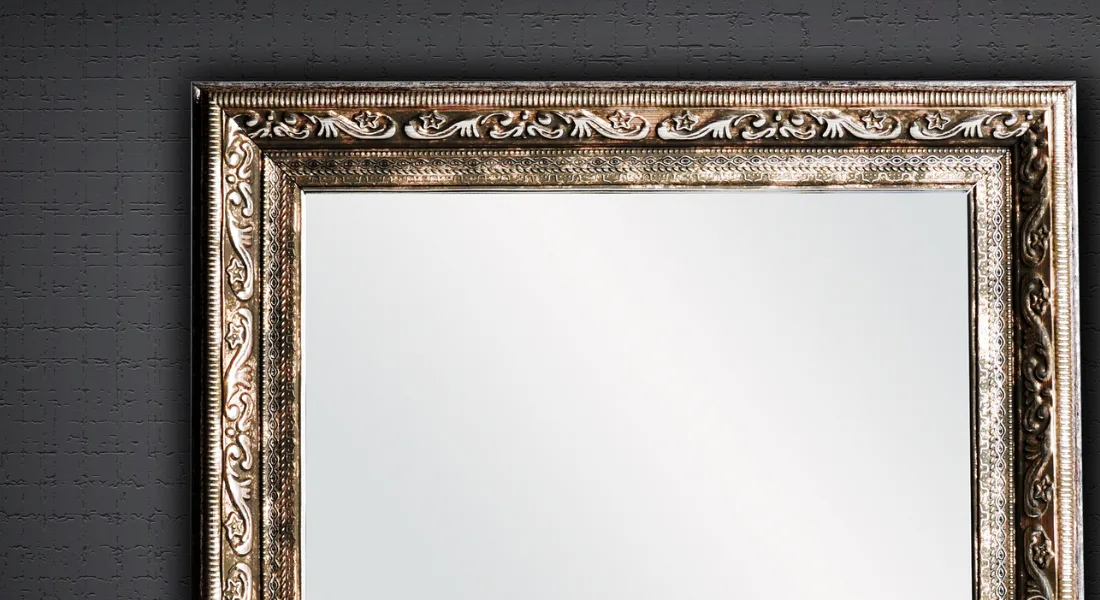
Mirror glass is everywhere — bathrooms, entryways, gyms, salons — but most people don’t know much about how it’s made or why it’s different from regular glass. If you’re ordering a custom mirror or choosing glass for a project, understanding the distinction will help you make the right decision.
How Mirror Glass Is Made
Regular (annealed) glass is a transparent material — it allows light to pass through it with minimal distortion. Mirror glass starts with the same base material, but goes through an additional coating process.
The traditional process (still used for high-quality mirrors) is silver coating:
- The glass is cleaned thoroughly
- A thin layer of silver metal is chemically deposited onto the back surface
- A layer of copper is applied over the silver for protection
- One or two layers of protective paint are applied over the copper
The silver layer reflects virtually all visible light back to the viewer, creating the mirror effect.
Modern lower-cost mirrors sometimes use aluminum instead of silver, which is slightly less reflective but more resistant to oxidation in humid environments.
Types of Mirror Glass
Standard mirrors: Silver or aluminum backing with a painted protective layer. Suitable for most interior applications. Not recommended for very high humidity without proper sealing.
Moisture-resistant (bathroom) mirrors: Additional edge sealing and a waterproof backing paint protect against humidity and moisture intrusion at the edges — where standard mirrors commonly develop “black edge” deterioration.
Frameless beveled mirrors: The mirror has a polished angled edge around the perimeter, giving it a finished appearance without a separate frame.
Back-painted glass (not a mirror): Glass painted on the back to create an opaque colored surface. Frequently used as a design element in kitchens and feature walls. Reflective only in the sense that all glass surfaces have some reflectivity.
Two-way mirrors (one-way glass): A half-silvered mirror with a coating that reflects approximately 50% of light and transmits 50%. Used in observation rooms, security installations, and magic tricks. Requires one side to be significantly brighter than the other to work properly.
Antiqued/distressed mirrors: Intentionally aged with a mottled, partially oxidized appearance. Popular in interior design for a vintage look.
Regular Glass vs. Mirror Glass: Key Differences
| Property | Regular Glass | Mirror Glass |
|---|---|---|
| Light transmission | ~90% transmitted | ~5% transmitted |
| Light reflection | ~8% reflected | ~90% reflected |
| Backing | None | Silver/aluminum + copper + paint |
| Edge appearance | Clear | Opaque (silver layer visible) |
| Humidity resistance | Good | Varies by type |
| Cost | Lower | Slightly higher |
Can Regular Glass Be Used as a Mirror?
Not effectively. Standard glass reflects only about 8% of light — you can see a dim reflection in any glass pane, but it’s too faint to be useful as a mirror. Achieving proper mirror reflectivity requires the metallic coating applied during manufacturing.
What to Ask for When Ordering a Custom Mirror
When ordering from a glass shop, specify:
- Size and shape — exact dimensions and any curved or irregular edges
- Thickness — standard bathroom mirrors are typically 3/16” or 1/4”
- Edge treatment — seamed (for framed installation), polished flat, or polished beveled
- Type — standard silver mirror or moisture-resistant for bathrooms
- Holes or cutouts — if needed for fixtures, lights, etc.
Custom Mirrors at Allnite Glass
At Allnite Glass in Clarksville, we cut custom mirrors to any size and shape, with your choice of edge treatment. Whether you need a simple bathroom vanity mirror or a large decorative mirror for an entryway or gym, we fabricate it in-shop with fast turnaround. Visit us at 1525 Ashland City Rd, Clarksville, TN or call (931) 645-2464.

Allnite Glass Team
Expert glaziers sharing glass tips and industry insights.
Ready to Get Started?
Contact us today for a free quote on commercial glazing, custom-cut glass, window repair, and more. Most repairs completed within 24–48 hours.
Monday – Friday: 7:00 AM – 5:00 PM · Saturday – Sunday: Closed