How Long Do Glass Railings Last?
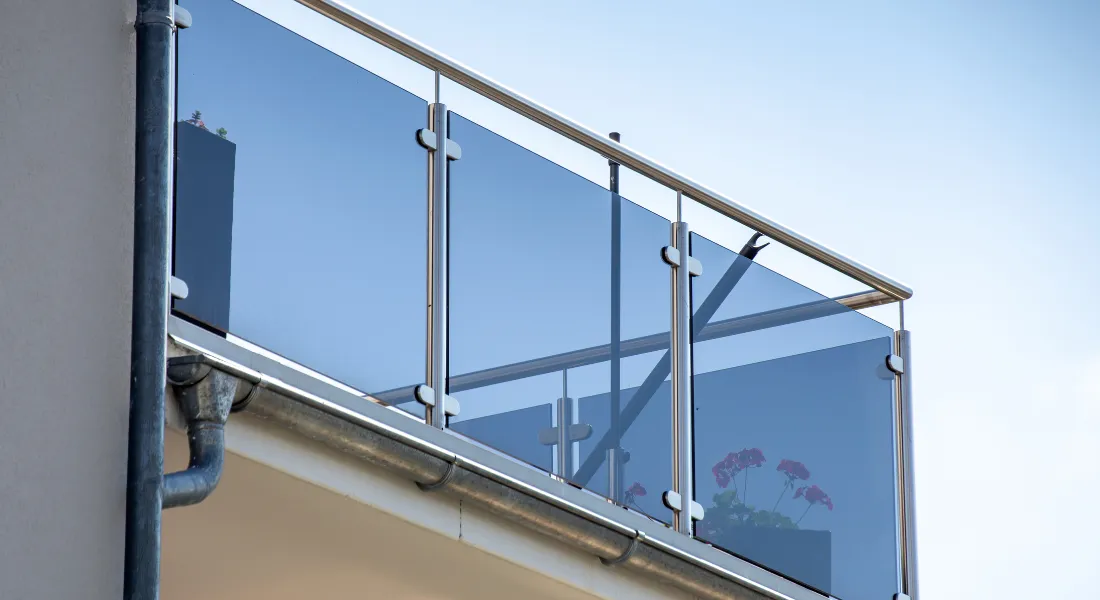
A glass railing can open up a deck, balcony or staircase while still providing a safety barrier. Homeowners weighing one against a wood or metal system usually want to know the same thing first: how long will it last before it needs work? This guide explains what actually determines that, from the glass itself to the hardware holding it and the maintenance it gets.
How long do glass railings last?
Glass railing lifespan depends on the entire system—not just the glass. Glass type, hardware, anchoring, environmental exposure, installation quality and maintenance all affect how long a railing remains safe and serviceable.
Whether you are comparing wood railings, aluminum railing systems or frameless glass installations, understanding what drives longevity — and what maintenance each option asks of you — helps you make the right choice for your property.
What Determines How Long a Glass Railing Lasts?
A glass railing is a system, not a single material. The glass panels, the hardware holding them, the anchors tying that hardware to the structure, and the structure itself all have to remain sound for the railing to stay safe and serviceable. The lifespan of the railing is set by whichever part reaches the end of its service life first.
In practice, the glass is rarely the limiting factor. Tempered and laminated glass hold up well to weather, moisture and UV exposure. Hardware, fasteners, seals and anchoring are where wear tends to show, particularly on exterior installations.
That is why any honest answer to “how long will it last” starts with questions rather than a number: what glass, what hardware, what exposure, installed how, and maintained how often. A railing on a sheltered interior stair and a railing on an exposed coastal balcony are not the same product in service, even if they use identical components.
Why Is Tempered Glass Used in a Glass Railing System?
Most glass railing installations use tempered glass because it is substantially stronger than annealed glass of the same thickness. Tempering involves heating and rapidly cooling the glass, which puts the surfaces in compression and improves resistance to bending and impact. When tempered glass does break, it is designed to fragment into small pieces rather than large sharp shards.
Laminated glass is also widely used, either on its own or as laminated-tempered construction. It consists of two or more layers bonded with an interlayer, so the panel holds together if the glass breaks. Building codes often require laminated or laminated-tempered glass in guard applications, particularly where there is a drop below.
Glass also holds its appearance. Unlike painted or stained surfaces, it does not fade, warp or crack from UV exposure under normal conditions. Which glass a project needs — thickness, tempered or laminated, and any coatings — depends on the application, the span and the applicable code requirements, which is something to confirm during design rather than after.
How Do Hardware and Corrosion Affect Lifespan?
Hardware is usually what decides when a glass railing needs attention. Posts, clamps, base shoes, standoffs, brackets and fasteners are all exposed to the same weather as the glass, but they respond to it differently.
Stainless steel is common in exterior railings because it resists corrosion better than ordinary carbon steel. It is not immune, though — grade matters, and surface contamination or salt deposits can produce staining and pitting if the hardware is not cleaned. Aluminum systems resist corrosion well and are frequently paired with glass panels. Powder-coated components depend on the coating staying intact; once it is breached, the substrate underneath is exposed.
Seals and gaskets around mounting points are also consumables in a way the glass is not. Where water can sit against a fitting or wick into an anchor point, that is where problems start. Periodic inspection of the hardware, not the glass, is what catches issues early.
How Does Weather and Environmental Exposure Affect Durability?
Environment is one of the largest variables. Salt air, persistent moisture, freeze-thaw cycling, standing water and strong sun all work on the non-glass parts of the system.
Coastal and near-coastal installations are the most demanding. Salt accelerates corrosion on exposed metal and accumulates on glass surfaces, so both cleaning and inspection need to happen more often than they would inland. Installations near pools face a similar issue with chlorinated water and treatment chemicals.
Freeze-thaw cycling matters where water can collect in a base shoe, channel or anchor pocket. Drainage details in the original installation make a real difference here. On exposed sites, wind loading also affects the design: panel thickness, post spacing and anchoring all have to suit the loads the railing will actually see.
Do Frameless Glass Railings Last Longer?
Frameless systems are popular because they maximize visibility and give a clean, modern appearance. They rely on specialized hardware — base shoes, spigots or standoffs — to support the glass directly rather than on a surrounding frame.
Whether a frameless railing lasts longer than a framed one is not a straightforward comparison. Frameless designs have fewer visible components, but they place higher demands on the ones they do have: the glass is typically thicker, the anchoring carries more load, and the base fittings are structural rather than decorative. Those fittings still need inspection and maintenance, and on some designs they are the parts most exposed to standing water.
What can be said is that frameless systems have fewer places for dirt to collect and are easier to clean. Longevity still comes down to specification, installation quality and upkeep rather than to the presence or absence of a frame.
How Does Glass Compare to Other Railing Materials?
Each railing material has a different maintenance profile rather than a simple ranking.
Wood railings need periodic sealing, staining or painting, and are susceptible to rot, insect damage, checking and warping where moisture and sun exposure are high. The upside is easy repair and low material cost.
Steel systems are strong but depend on their protective coating; where that coating fails, rust follows. Aluminum resists corrosion well and is light, though it is softer and can dent.
Glass does not absorb moisture, rot or attract insects, and it does not need refinishing. What it does need is cleaning to stay clear, and hardware inspection to stay sound. The honest comparison is that glass shifts the maintenance from refinishing the railing to cleaning the glass and looking after the fittings.
What Maintenance Does a Glass Railing Require?
Routine care for glass railings is straightforward:
Cleaning. Wash the glass with mild soap and water or a glass cleaner suitable for the panels, using a soft cloth or squeegee. This removes fingerprints, dirt, salt residue and water spots before they build up.
Avoiding abrasives. Scouring pads, abrasive powders, razor blades and harsh solvents can scratch glass or damage coatings and hardware finishes. Follow the manufacturer’s cleaning guidance for both the glass and the fittings.
Rinsing hardware. In coastal, poolside or heavily salted environments, rinsing metal components with clean water as part of routine cleaning helps keep deposits from sitting on the finish.
Inspection. Check fittings, fasteners, gaskets and anchor points periodically. Look for movement in the panels, loose or backed-out fasteners, corrosion staining, damaged seals and any water collecting where it should not.
Attending to damage promptly. Chips and cracks in tempered glass should be assessed by a glazier. A damaged tempered panel cannot be repaired and should be replaced; most systems allow individual panels to be swapped without rebuilding the run.
Why Installation Quality Matters
Installation is where a well-specified railing either realizes its service life or does not. A guard has to resist the loads set out in the applicable building code, and it does that through the anchors and the structure behind them as much as through the glass.
Correct panel spacing, proper torque on fittings, appropriate fasteners for the substrate, adequate blocking or backing in the structure, and drainage at base fittings all affect how the railing performs over time. Where these are wrong, the symptoms show up later as movement, water intrusion, corrosion at anchor points or loosened hardware.
This is also the part that is hardest to correct after the fact. Getting the design and installation right at the outset is the single most effective thing you can do for the railing’s lifespan.
Can Glass Railings Be Used Indoors and Outdoors?
Yes, and the distinction affects both specification and maintenance.
Indoor installations around staircases, landings, lofts and mezzanines face no weather exposure. Hardware corrosion is largely a non-issue, cleaning is about fingerprints and dust, and the main design considerations are code compliance and the loads the guard has to carry.
Outdoor installations on decks, balconies, patios and pool surrounds have to handle rain, UV, temperature swings, wind loading and — near the coast or a pool — salt or chemical exposure. These are the installations where hardware grade, drainage detailing and inspection frequency matter most.
The same system can often be used in both settings, but the specification for an exposed exterior railing should reflect the conditions it will actually face.
Upgrade Your Property With Durable Custom Glass Railings
For homeowners and businesses looking for a long-lasting railing solution, Allnite Glass builds custom glass railings, fences, and outdoor wind screens designed around the conditions of your site. We handle specification, fabrication and professional installation from our shop in Clarksville, TN, and we will walk you through the glass type, hardware and anchoring that suit your deck, balcony, stair or pool surround.
Contact us today for a free quote!
Frequently Asked Questions
How long does a glass railing last?
There is no single figure. Lifespan depends on the glass specification, the hardware and anchoring, the environment the railing is exposed to, the quality of installation and how regularly it is cleaned and inspected.
Does tempered glass break easily?
Tempered glass is substantially stronger than annealed glass of the same thickness and resists bending and impact well. It is not unbreakable, and edge damage in particular can lead to breakage.
Do glass railings rust?
The glass does not. Metal hardware can corrode if it is not maintained, especially in coastal, poolside or heavily salted environments.
What is the best way to clean glass railings?
Mild soap and water or a glass cleaner appropriate for the panels, applied with a soft cloth or squeegee. Avoid abrasive pads, scouring powders and harsh solvents, and follow the manufacturer’s guidance for the hardware finish.
Can a single damaged panel be replaced?
In most systems, yes. Panels are generally replaceable individually without rebuilding the entire railing, though the replacement has to match the original specification.
Key Takeaways
- Glass railing lifespan is set by the whole system — glass, hardware, anchoring, installation and maintenance — not by the glass alone.
- Tempered and laminated glass resist weather, UV and moisture well; hardware and seals are usually what need attention first.
- Coastal, poolside and heavily salted environments accelerate corrosion on metal components and call for more frequent cleaning and inspection.
- Stainless steel and aluminum resist corrosion better than ordinary carbon steel, but none of them are maintenance-free.
- Installation quality — anchoring, fastening, spacing and drainage — is the hardest thing to correct later and among the most important to get right.
- Routine care is cleaning with mild soap and water plus periodic inspection of fittings, fasteners and seals.
- Chipped or cracked tempered panels should be assessed by a glazier and replaced rather than repaired.

The Allnite Glass Team shares practical guidance based on the company's experience with custom glass railings, fences and wind screens. Allnite Glass has served Clarksville and nearby communities since 1949.
Ready to Discuss Your Glass Project?
Tell Allnite Glass what you need, where the project is located, and whether the glass can be brought to the Clarksville shop. The team will confirm scope, availability and next steps.
Monday – Friday: 7:00 AM – 5:00 PM · Saturday – Sunday: Closed