How to Fix a Leaky Window: Find the Source First
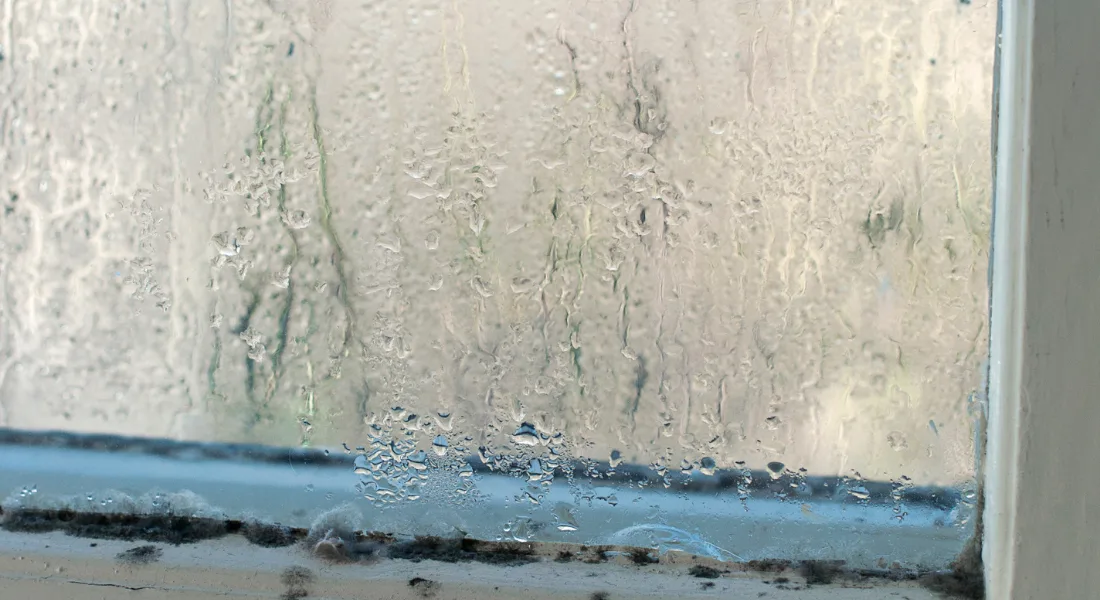
A 'leaky window' can mean three different things: outdoor air moving through gaps, condensation forming on cold glass, or rainwater entering the window or wall assembly. The repair depends on which one is happening, so do not start by sealing every visible joint.
Which problem are you actually looking at?
First identify whether the symptom is air, surface condensation, fog between panes or rainwater. Weatherstripping may help a sash air leak. A failed IGU may need glass-unit replacement. Rainwater can require flashing, frame, siding, roofing or rough-opening work that new glass alone will not solve.
Take immediate steps when water is entering
- Move furniture, curtains and belongings away from the wet area.
- Dry standing water and protect interior finishes.
- Photograph where the water first appears and the exterior conditions during or just after rain.
- Do not cover active moisture damage with paint, trim or sealant.
- If the opening is unsafe, glass is broken or water is affecting electrical components, stop and contact an appropriate professional.
Identify the symptom
- Air leak or draft: Air movement is felt at the sash, frame, trim or wall connection when the window is closed.
- Surface condensation: Moisture forms on the indoor or outdoor glass surface when humid air contacts a colder surface.
- Fog between panes: Moisture is trapped inside a sealed double-pane or multi-pane IGU, commonly indicating seal failure.
- Rainwater intrusion: Water appears during or after rain and may enter through the window, rough opening or surrounding wall.
Common causes of air leaks
- Worn, compressed or missing weatherstripping between an operable sash and frame.
- Gaps between the window frame and rough opening hidden by trim.
- Loose or failed interior/exterior sealant at an appropriate air-sealing joint.
- Poor sash alignment, worn hardware or a warped sash.
- Cracked glass or failed glazing materials around a single pane.
To trace a draft, hold a tissue or a purpose-made smoke pencil near the joints. Do not use an open flame such as a candle or an incense stick near curtains and finishes.
Common causes of rainwater around windows
- Failed or missing head flashing.
- Cracked or poorly detailed exterior sealant.
- Water entering from siding, trim, roofing or another point above the window.
- Blocked or damaged drainage paths.
- Open frame joints, deteriorated sill components or wood decay.
Do not block drainage
Weep holes and designed drainage paths are there to let water out, so they should never be caulked shut. Exterior sealant is not a substitute for proper flashing and water management.
Diagnose by timing and location
- Only during wind: inspect weatherstripping, sash alignment and rough-opening air paths.
- Only during rain: record wind direction, water entry point and exterior conditions above and beside the window.
- After rain has stopped: water may be traveling through the wall or trim before becoming visible.
- Between the panes in all weather: evaluate the sealed IGU.
- On the room-side glass in cold or humid conditions: evaluate condensation and indoor moisture before assuming a leak.
| Symptom | First component to evaluate | Who may be needed |
|---|---|---|
| Draft at operable sash | Weatherstripping, alignment, hardware | Homeowner, window technician or glazier depending on scope |
| Cracked pane or deteriorated glazing | Glass and glazing system | Glazier |
| Fog between double panes | Sealed IGU | Glazier |
| Water at top/side of opening | Flashing, siding, roofing, wall connection | Window installer, siding contractor, roofer or envelope specialist |
| Rot or structural frame damage | Frame and surrounding materials | Window contractor, carpenter or restoration professional |
| Surface condensation | Humidity, temperature, airflow, whole-window performance | Home-performance or HVAC professional if persistent |
Where the sealed unit itself is the problem, fog between panes is the service that applies, and a cracked or broken pane is residential glass repair. If the pane has to come out either way, it is worth reading how glass replacement works before the visit.
Safe DIY work versus professional work
Replacing accessible weatherstripping or renewing a known sealant joint may be reasonable after the cause is confirmed. Removing broken glass, rebuilding flashing, opening a wall, correcting structural decay or replacing an IGU requires the appropriate skill and safety controls.
For pre-1978 homes, window work that disturbs painted components can create lead dust and should follow lead-safe practices.
When Allnite Glass can help
Allnite Glass can review broken glass, failed insulated glass units and glazing-related problems. If the evidence points to roofing, siding, flashing, the rough opening or structural frame damage, another trade may need to diagnose or repair the water pathway before glass work is worth scheduling.
The fastest way to sort this out is to send photos of the window problem along with a note about when the water or fogging appears.
Sources reviewed
- U.S. Department of Energy — Measure Guideline: Wood Window Repair, Rehabilitation, and Replacement
- U.S. Department of Energy — Weatherstrip Double-Hung or Sash Windows
- U.S. Department of Energy — Consumer Guide to Air Sealing
- U.S. EPA — Lead-safe renovation guidance for pre-1978 housing

A family-owned glass company based in Clarksville, Tennessee, sharing practical guidance on residential and commercial glass projects.
Frequently Asked Questions
Water can enter through failed exterior sealant, flashing, siding, roofing, the rough opening, frame joints or drainage problems. The first visible wet spot may not be the actual entry point, so the pathway should be diagnosed before repairs begin.
No. Condensation forms when moist air contacts a cold surface. Fog between panes usually points to a failed insulated glass unit. Rainwater intrusion is bulk water entering from outside. Each condition requires a different response.
A failed IGU seal commonly causes fog or moisture between the panes, but it is not the usual explanation for rainwater entering around the window opening. Water intrusion should be traced through the frame, flashing, sealants and surrounding wall.
Weatherstripping can help when air is leaking between an operable sash and frame and the existing material is worn or missing. It will not correct glass breakage, frame movement, rough-opening gaps or water-management failures.
No. Caulk should be used only after the pathway and joint are understood. Do not block weep holes or drainage paths, and do not cover deteriorated materials without correcting the underlying problem.
Call a glazier when the glass is cracked or broken, the sealed IGU has failed, glazing materials around the pane have deteriorated or a glass-related repair needs to be confirmed.
Another trade may be needed when water originates above the window, flashing or siding is defective, the rough opening is leaking, the frame is structurally damaged or a complete window replacement is required.
Take photos during or immediately after rain, record where water first appears, photograph exterior conditions above and beside the window, note whether the issue is air, surface condensation, between-pane fogging or rainwater, and share the project location.
Not Sure Where the Water Is Coming From?
Send Allnite Glass photos of where the water or fogging appears, the exterior conditions above and beside the window, and the project location. The team will confirm whether this is a glass and glazing repair or a job for another trade.
Monday – Friday: 7:00 AM – 5:00 PM · Saturday – Sunday: Closed