Can You Cut Tempered Glass? No—Here's Why and What to Do
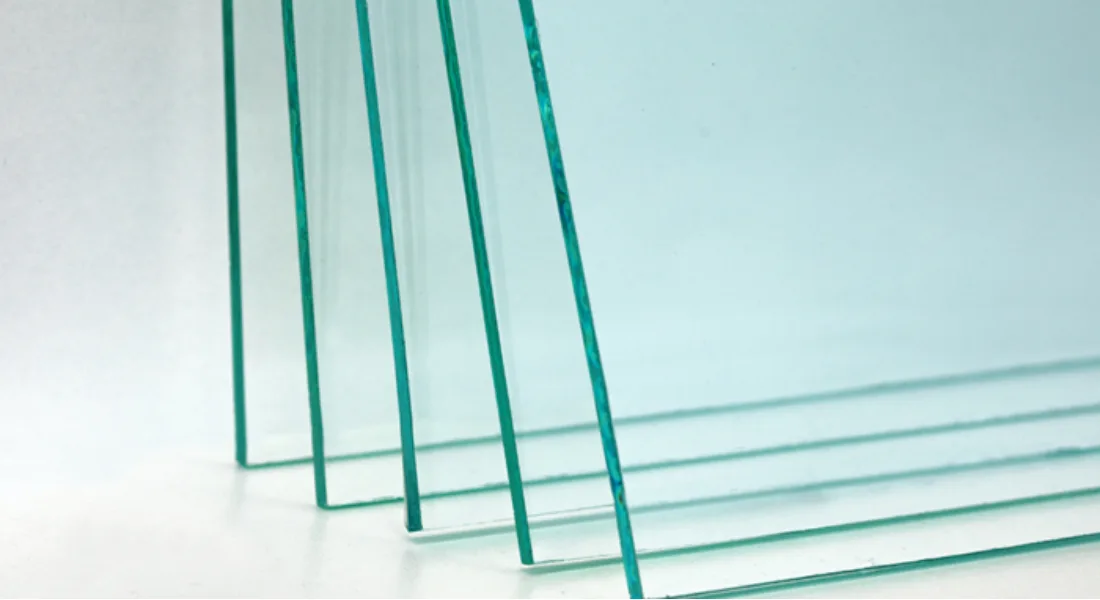
No. Tempered glass cannot be cut, scored, drilled or resized after it has been tempered. Those changes disturb the internal stress pattern that gives the glass its strength and can cause the entire panel to break. If an existing panel is too large or needs new holes or notches, the practical solution is to order a replacement fabricated to its final dimensions before tempering.
This guide applies to architectural tempered glass used in shower enclosures, doors, tabletops, windows and storefronts. It does not cover phone screen protectors, automotive glass or specialty armored glazing.
How Is Tempered Glass Cut Before Tempering?
Tempered glass is cut to its final size before tempering. Any holes, notches, edge finishing, or other fabrication must also be completed first. Once the glass is heat-treated and becomes tempered, it cannot be safely cut or resized.
What Can Be Done to Tempered Glass?
| Action | Possible after tempering? | What to do instead |
|---|---|---|
| Cut or trim the panel down to size | No | Order a replacement fabricated to final dimensions before tempering |
| Score the surface with a glass cutter | No | Confirm measurements before the glass is fabricated |
| Drill a hole for hardware | No | Specify every hole on the original fabrication order |
| Cut notches or hardware cutouts | No | Specify notches and cutouts before the panel is tempered |
| Grind or sand the edges to resize | No | Specify the finished size and edge work before tempering |
| Polish or reshape the edges | No | Choose the edge finish when the panel is ordered |
| Apply window film, coatings, sealants or other field-applied materials | Only with manufacturer confirmation | Confirm compatibility with the glass manufacturer and the product manufacturer before anything is applied |
Window films, coatings and other field-applied materials require compatibility confirmation from the glass manufacturer and product manufacturer. They are not universally suitable for every tempered or insulating-glass application.
Warning: Do not attempt to cut, drill or resize tempered architectural glass. The panel can break suddenly, and the resulting fragments can still cause injury.
Need Tempered Glass Made to the Correct Size? Existing tempered glass cannot be resized, but Allnite Glass can help with a replacement panel fabricated to the required dimensions, holes, notches and edge finish before tempering. See our custom cut glass service or request a quote.
Why Tempered Glass Shatters When Cut
Tempered glass gets its strength from a controlled heat-treating process. After the glass has been cut to its final shape, it is heated and then rapidly cooled. The rapid cooling leaves the outer surfaces of the panel under compression and the interior under tension.
That locked-in balance is what makes the finished product strong — typically four to five times stronger than annealed glass of the same thickness, which is covered in detail in our guide to how strong tempered glass is. It is also why the glass breaks the way it does: when a tempered panel finally fails, it breaks all at once into many small particles or fragments rather than a few large shards. Those fragments are less hazardous than broken annealed glass, but they can still cause injury.
Scoring, cutting or drilling the surface releases that stored stress. There is no technique or tool that avoids it, because the problem is not the tool — it is the state the glass is already in.
Vitro Architectural Glass confirms that tempered glass cannot be recut after tempering, and recommends against further cutting, drilling, grinding, edging and similar fabrication after heat treatment.
Can You Cut, Drill, Grind or Sand Tempered Glass?
Can you use a regular glass cutter?
No. Scoring the surface can disturb the internal stress and cause the panel to break.
Can you use a diamond blade or wet saw?
No. A different blade does not make an already tempered panel safe to cut.
Can you drill a hole in tempered glass?
No. Holes, notches and hardware cutouts must be completed before tempering.
Can you grind or sand tempered glass?
Do not grind or sand tempered glass to resize it. Post-tempering fabrication can weaken the glass, affect its safety performance or cause breakage.
Can a glass shop resize tempered glass?
A glass shop cannot safely resize an existing tempered panel. The shop can measure the application and help obtain a replacement fabricated to the correct dimensions before tempering.
How to Identify Tempered Glass
Look for a small permanent safety marking, usually etched or sandblasted into one corner of the panel. The marking typically reads “Tempered” or “Safety Glass,” or cites a standard such as ANSI Z97.1 or CPSC 16 CFR 1201, often alongside the manufacturer’s name. That marking is the primary identification method.
Polarized lenses may reveal strain patterns in heat-treated glass, but this is not a definitive identification test. If the marking is missing or difficult to find, do not alter the glass based only on a visual test. Check the manufacturer’s information or ask a glass professional to inspect it.
Tempered glass is common in shower enclosures, entry doors and commercial storefront glass, but not every window, storefront or shower panel is tempered. Treat the marking, not the application, as the answer.
For a broader comparison of annealed, laminated, coated, insulated and heat-treated products, see which types of glass can and cannot be cut.
Where Safety Glazing May Be Required
Safety glazing is commonly required in locations such as doors, bath and shower enclosures, glazing near walking surfaces, stairs and landings, and guards or railings. The exact requirement depends on the glass size, position, installation and locally adopted building code. A qualified glazier or local building official should confirm the requirement for the specific project.
What to Do If the Tempered Glass Is the Wrong Size
Do not attempt to modify the existing panel. The correct sequence is:
- Confirm the final specifications — dimensions, thickness, edge finish, holes and notches.
- Fabricate those features first — all cutting, drilling and edge work happens while the glass is still annealed.
- Temper the completed piece — the panel is heat-treated at its finished size.
- Install the correctly sized replacement.
A tempered shower-door panel or tabletop that came in too large normally needs to be replaced rather than trimmed. There is no way to recover the extra half inch after the glass has been through the tempering oven.
Getting Custom Tempered Glass in Clarksville, TN
If you need a panel made to the correct size before it is tempered, our team can help with custom cut glass for tabletops, shelves, mirrors, safety glass and specialty projects.
Allnite Glass can help confirm the project specifications and obtain a correctly sized tempered-glass panel for residential and commercial applications in the Clarksville area. For an idea of what goes into the quote, read how much custom-cut glass costs.
For help choosing the right glass type and getting the measurements right the first time, contact our Clarksville glass shop before ordering. Give us a call at (931) 645-2464 and we’ll point you in the right direction.
Sources reviewed

A family-owned glass company based in Clarksville, Tennessee, sharing practical guidance on residential and commercial glass projects.
Frequently Asked Questions
No. Scoring an already tempered panel can disrupt its internal stress and cause the entire piece to break. Cutting must be completed before tempering.
No. A diamond blade or wet saw does not make post-tempering cutting safe. The correctly sized panel must be fabricated before it is tempered.
Tempered glass should not be ground or sanded to resize it. Post-tempering edge work can weaken the panel, affect its safety performance or cause breakage.
No. Holes, notches and hardware cutouts must be made before the glass goes through the tempering process.
A glass company cannot safely resize an already tempered panel. It can measure the application and obtain a replacement made to the required dimensions.
No. If a tempered shower-door panel is the wrong size or needs different hardware holes, it normally needs to be replaced with a correctly manufactured panel.
Need a Tempered Panel Made to the Right Size?
Send Allnite Glass the opening dimensions, the glass thickness, and any hardware holes or notches the panel needs. The team will confirm the specifications and help obtain a correctly sized tempered-glass panel.
Monday – Friday: 7:00 AM – 5:00 PM · Saturday – Sunday: Closed